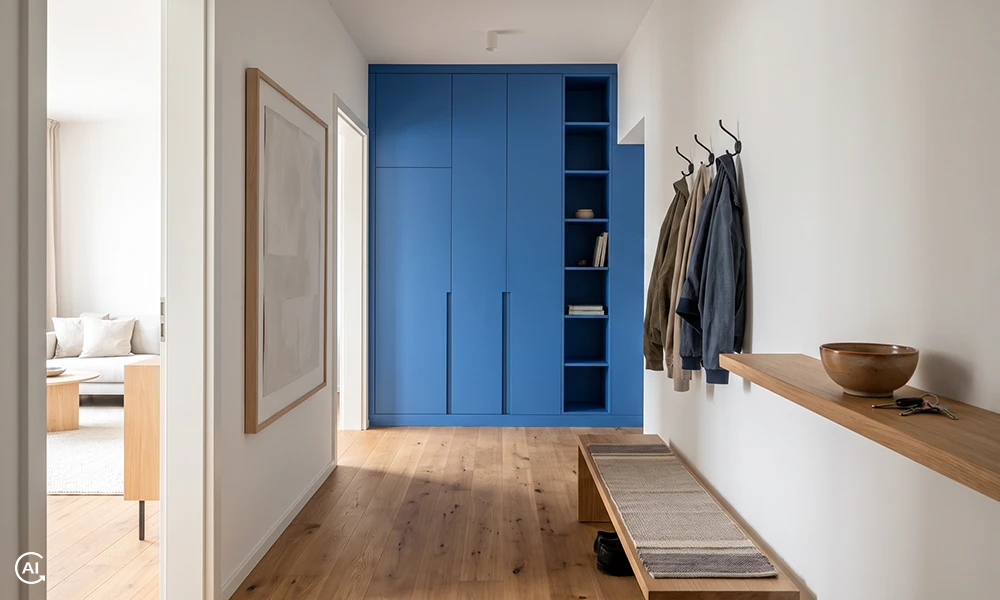
Vibrant blue, warm earthy tones, and bold colour accents: leading international colour institutes RAL, WGSN/Coloro, and NCS have published their forecasts for next year. We highlight the key colour trends for 2027 and share practical ideas for bringing them into your home.
There is no single defining trend colour for 2027. Instead, two contrasting directions complement one another: calm, grounded natural tones and bold, energetic accents. This interplay between timelessness and new beginnings defines the colour trends for 2027 and makes them highly versatile. Below, we explore the key trends and share inspiration for interior design.
Vibrant blue as a symbol of new beginnings
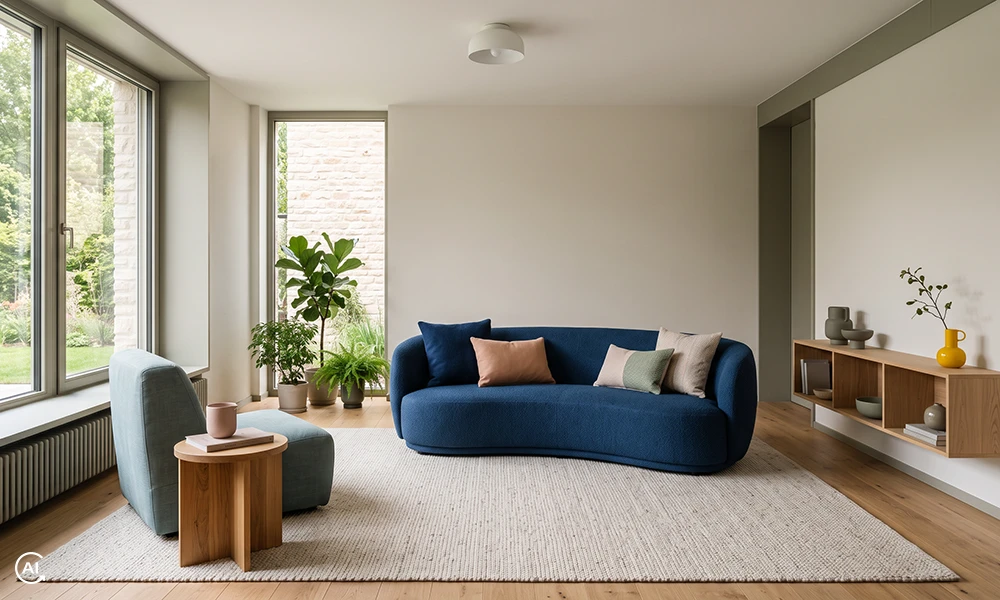
WGSN and Coloro have unveiled their forecast for the upcoming spring/summer season, with one colour in particular standing out: Luminous Blue is a radiant, powerful shade of blue that feels both calm and confident.
RAL also embraces this colour direction in its 2027+ colour trend report. Corundum Blue is a calm, charismatic shade of blue that, according to RAL, works equally well across large architectural surfaces and finer details.
It is complemented by Light Teal, a gently refreshing, airy blue that can be used generously on walls and ceilings and pairs well with warmer colours.
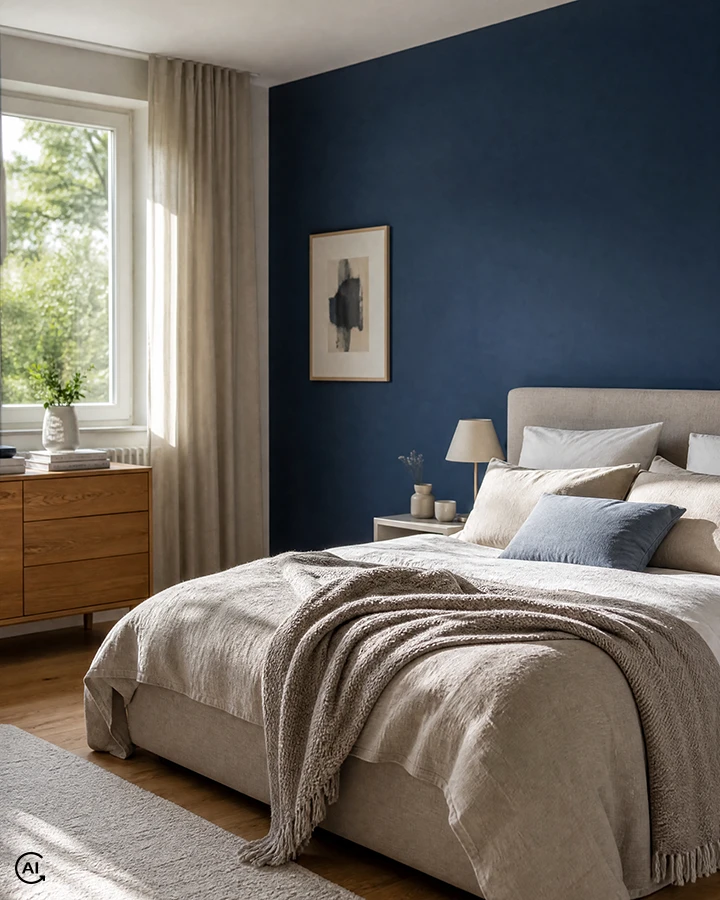
How to bring the trend into your home: A deep, matt blue makes an excellent wall colour for the living room or bedroom, especially when paired with warm wood and natural materials. If you are not ready to commit to an entire wall, blue textiles, vases, or an armchair in Light Teal can provide an effective first accent.
The Gira E2 design line in matt black is an ideal match. Its clean, graphic design creates a calm contrast with bold blue tones, allowing the colour to take centre stage without competing with it.
Warm earthy tones such as Clay, Sienna, and Pinkish Brown for a sense of calm
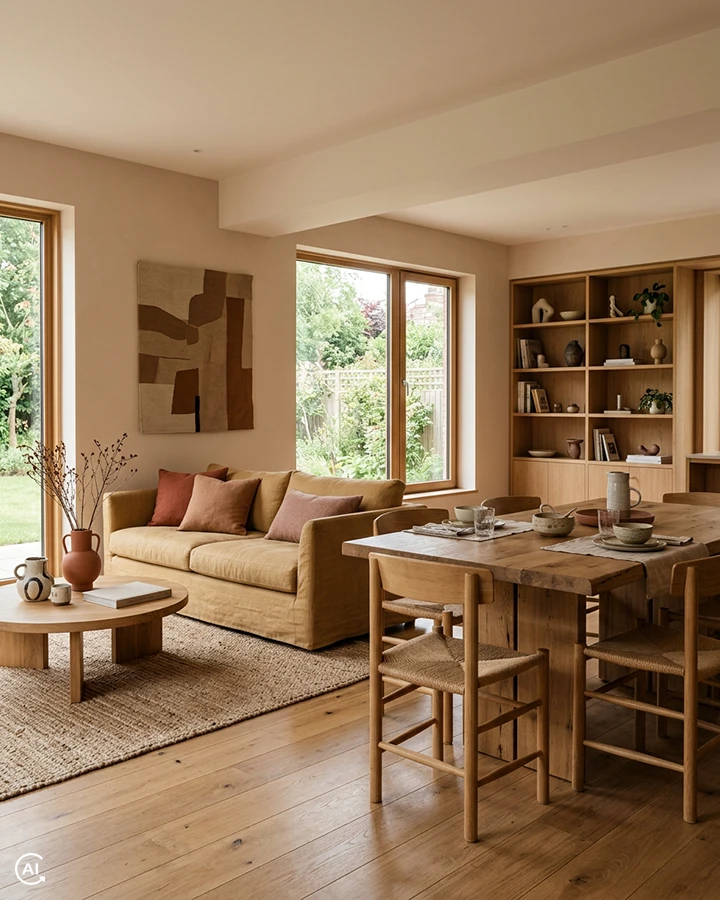
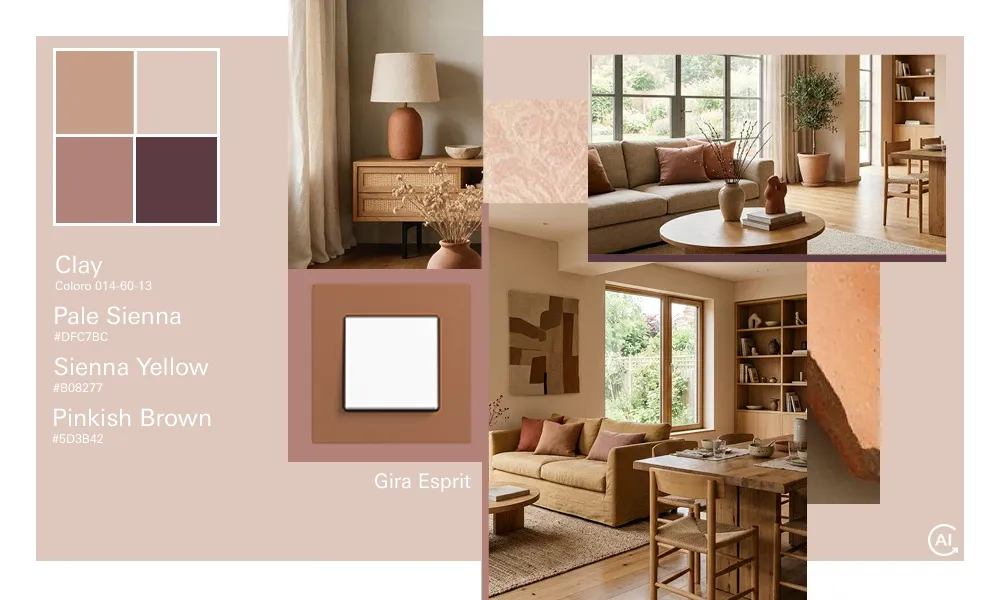
Alongside energetic shades of blue, warm, grounded tones remain a key element of the 2027 colour trends. With Pale Sienna, RAL introduces a warm shade reminiscent of sun-weathered sandstone. Versatile in its use, its understated charm is particularly effective on matt surfaces and in handcrafted finishes.
This shade is complemented by Sienna Yellow, which radiates warmth and stability, as well as Pinkish Brown, a deep, adaptable colour that, according to RAL, works equally well with classic, historic interiors and bold, contemporary styles.
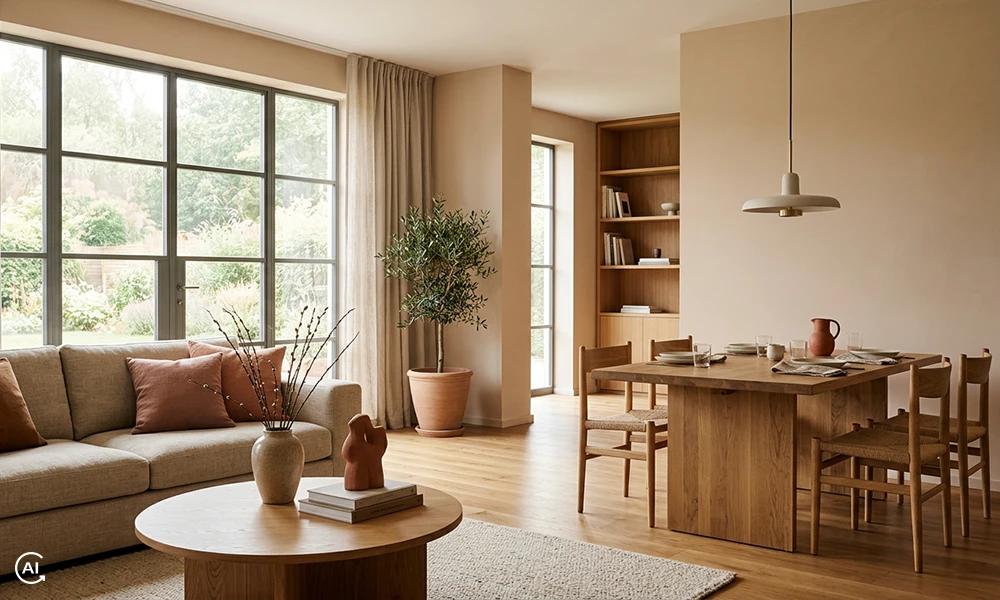
WGSN and Coloro also embrace a robust, natural earthy tone with the shade Clay. The colour’s strength lies in its longevity, and it conveys a sense of luxurious futurism and can be used throughout an interior, from floor to ceiling.
This continuity is no coincidence. In its latest trend report, RAL explicitly emphasises the principle of longevity, carrying forward established colours from previous years and complementing them with new accents. This approach helps conserve resources while making it easier to combine colours.
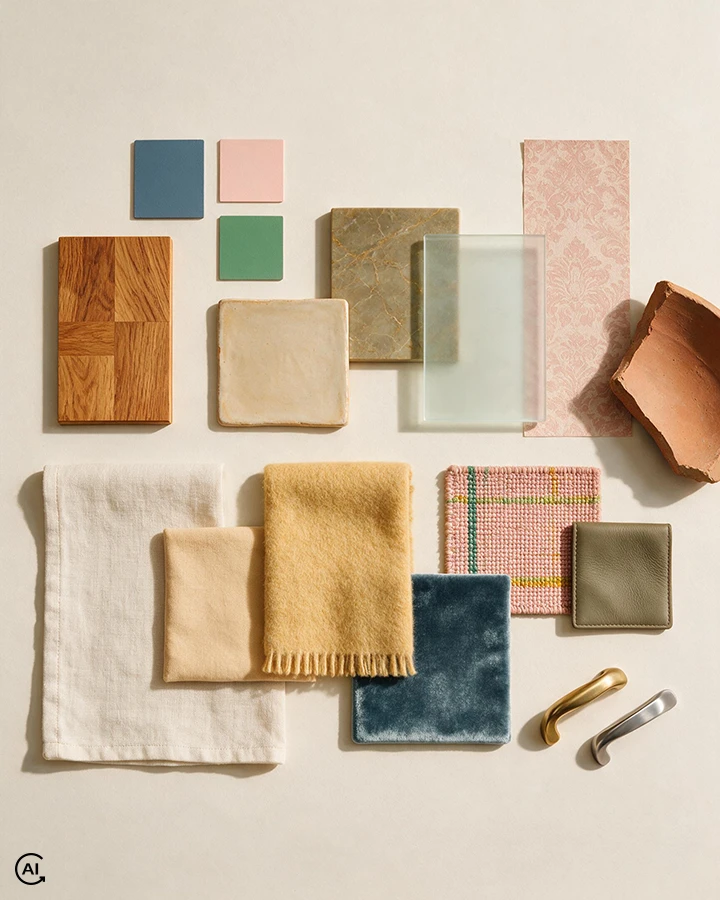
How to bring the trend into your home: Sienna and Clay tones work particularly well with natural materials such as oak, linen, or terracotta tiles. They are ideal for living and dining areas where a warm, timeless atmosphere is desired.
For a contrasting accent, the Gira Esprit Linoleum-Plywood design line is an excellent choice. Its matt, natural linoleum-plywood surface blends seamlessly into the earthy colour palette.
Soft accents: pink and green tones for a lighter feel
WGSN and Coloro identify Pop Pink as a playful, expressive shade. Although particularly prominent in youth and childrenswear, it also has a calming effect in interiors and is expected to feature in soft furnishings with tactile textures.
RAL expands on this direction with several shades of pink. Marzipan Pink is ideal for playful accents and works well on both matt and high-gloss surfaces, while Opaline Pink creates an unpretentious, inviting atmosphere and combines surprisingly well with a wide range of colours.
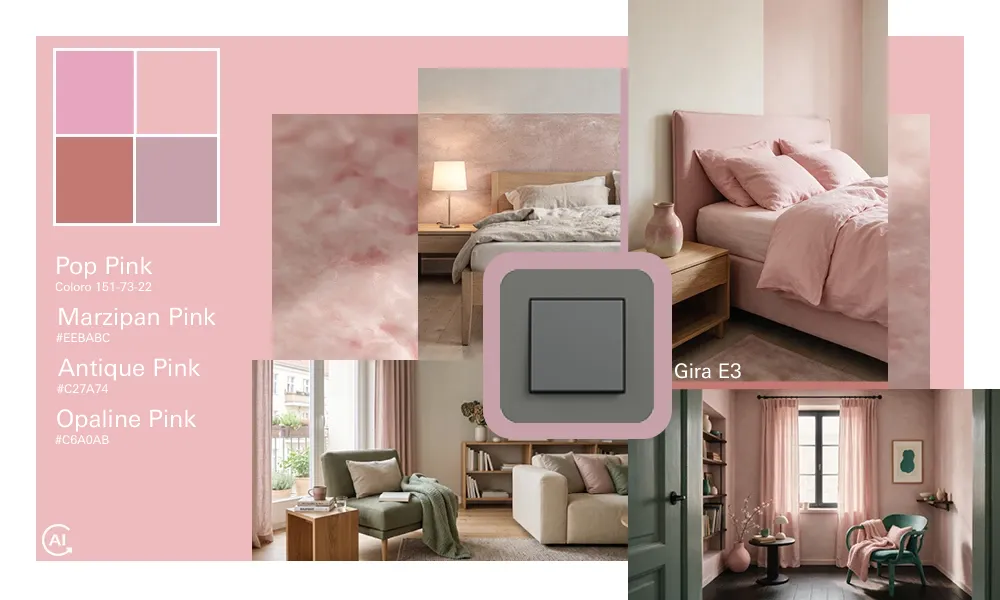
Antique Pink, meanwhile, takes on a very different character depending on the surface: chalky textures evoke a sun-faded charm, while glossy finishes create a richer, more vibrant look.
Turning to green, WGSN introduces Meadowland Green, a balanced, calm, and revitalising shade that creates a tangible connection with nature. RAL complements this with Kiwi Sorbet Green, a light, refreshing green that works well for accessories and decorative elements, as well as Wasabi Green, which, according to RAL, brings energy to any setting but should be used sparingly, much like the plant it is named after.
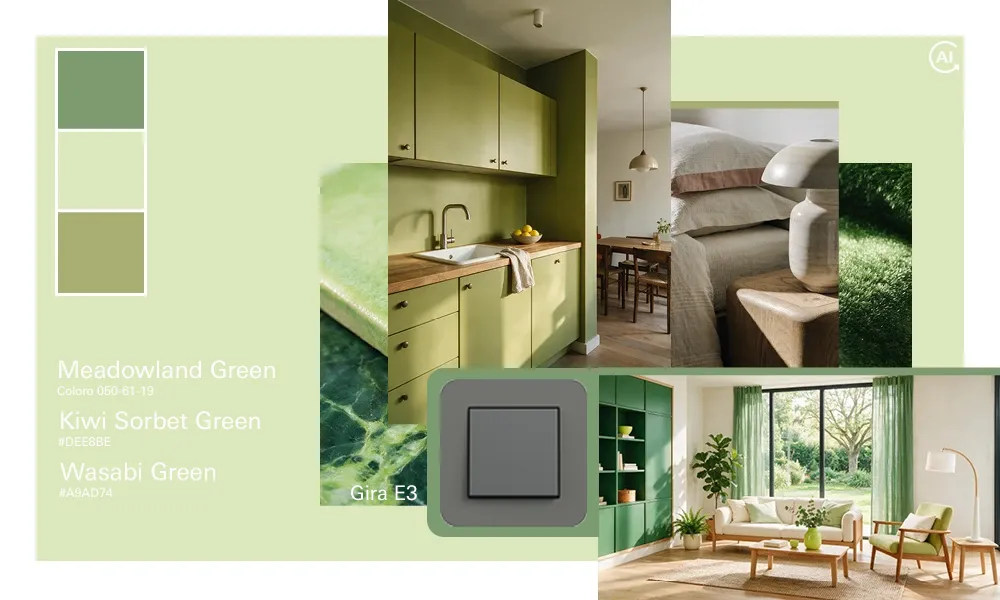
NCS categorises such delicate, colour-rich shades with low saturation within its “Light” colour mood. Nuances like this create a sense of calm and clarity, giving rooms presence without appearing overpowering.
How to bring the trend into your home: A touch of pink or green works best in small doses, for example as curtains, cushion covers, or on a single feature wall. For a modern look that avoids feeling overly playful, combine these colours with neutral undertones and natural light.
The Gira E3 design line in grey or sand with a soft-touch finish is an ideal match. Its velvety matt surface enhances the delicate character of pink and green tones without overpowering them.
Bold accent colours: Topaz Yellow, Spicy Red, and Energy Orange
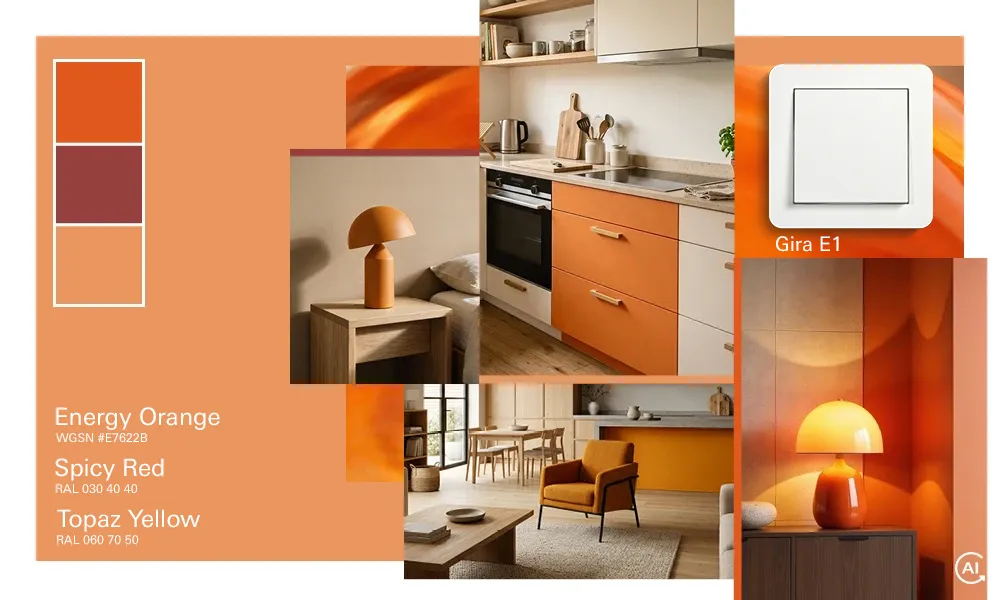
Alongside the more understated base tones, all three colour institutes are also embracing bold, energetic accents for 2027. RAL describes Topaz Yellow as a warm, vibrant shade inspired by the evening sun. Even in small doses, it makes a strong impression and is particularly well suited to high-gloss details. Spicy Red, meanwhile, is described by RAL as a rich, warm red that fills a room with powerful energy and is ideal for feature walls and statement furniture.
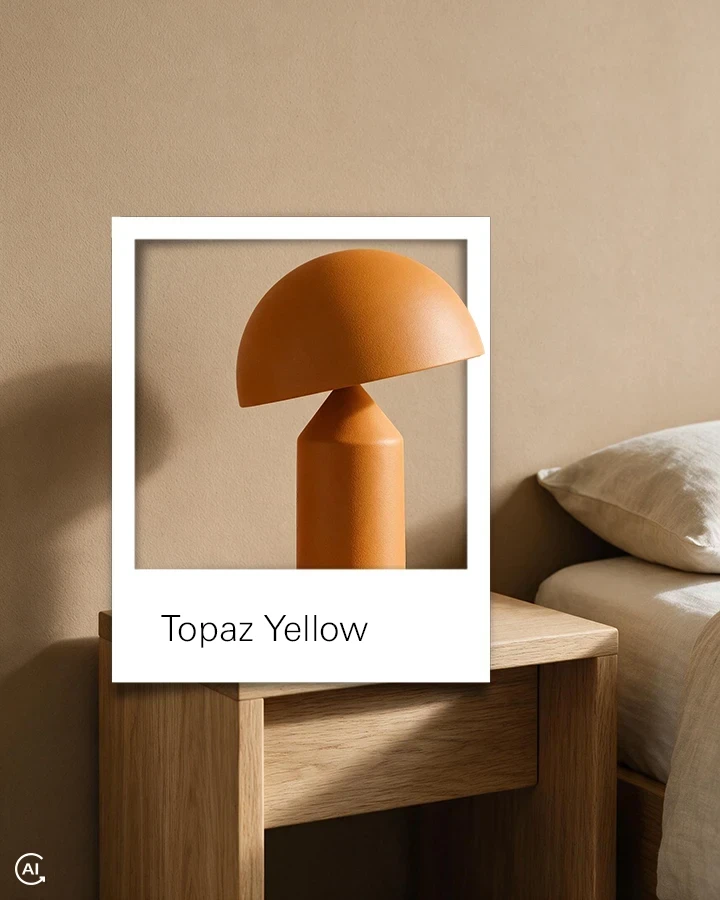
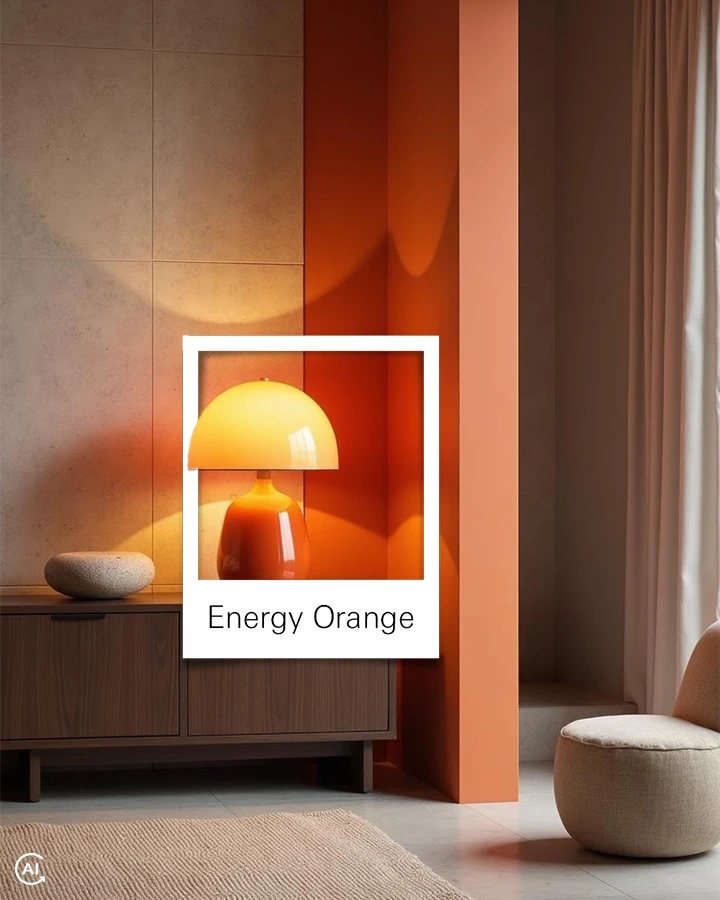
WGSN and Coloro add Energy Orange to the palette, a bold, dynamic, yet optimistic shade. Evoking associations with support and healing, the colour is increasingly appearing in accessories and works particularly well with retro-style furniture and lighting in interiors.
An important consideration when using these colours is RAL’s concept of context-based design. Colours should be chosen to suit the purpose of a particular space: calm tones for work areas, and more vibrant colours for spaces designed for socialising and communication.
How to bring the trend into your home: Bold accent colours such as Spicy Red or Topaz Yellow are particularly effective on individual pieces of furniture, kitchen islands, or door frames. These are areas where a bold splash of colour immediately catches the eye without dominating the entire room.
The curved contours of the Gira E1 design line in pure white matt are an ideal complement. Paired with the bold accent colours, the design becomes a considered architectural detail rather than simply a light switch.
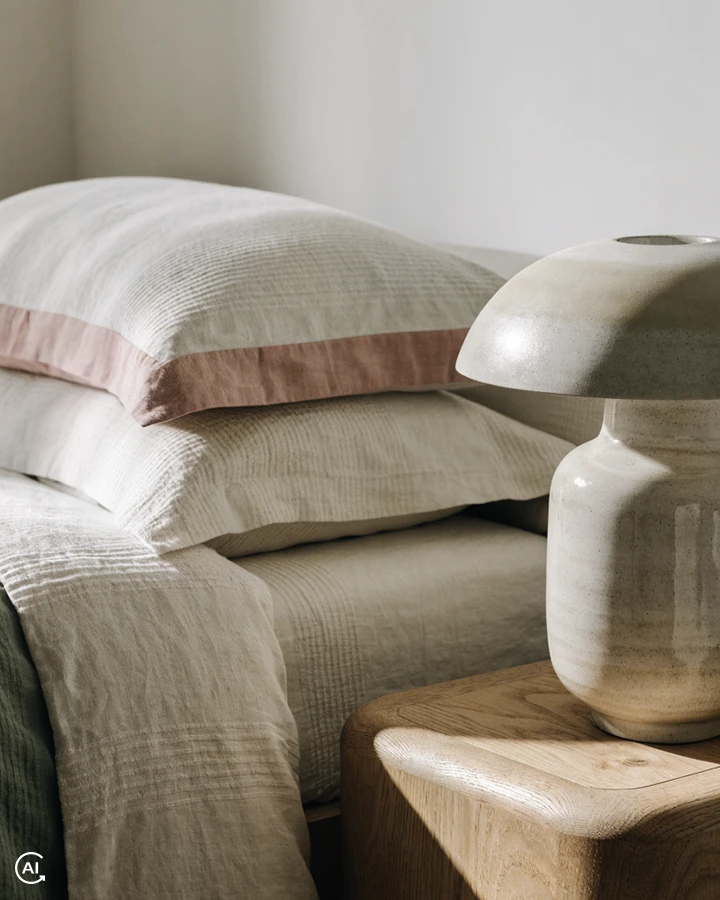
Neo-neutrals and layering: why Olivine Grey and Pepper White remain essential in 2027
With all these bold accents, every room needs a calm foundation. The trend towards layered, warm neutrals continues to gain ground. RAL describes Olivine Grey as a harmonious, versatile all-rounder that creates a relaxing backdrop and visually softens even busy or striking elements within a room.
According to RAL, Pepper White is a particularly easy-on-the-eye alternative to pure white. It combines more readily with other colours and works well in almost any lighting condition.
This observation is also reflected in the NCS Colours Beyond 2027+ forecast and its “Muted Light” colour mood: warm, powdery mid-tones with a subtle colour presence that bring expressive softness and refined detailing to interiors.
Layering plays a key role here. In its colour matrix, RAL demonstrates how base tones, accent colours, and neutrals can be freely combined, from vibrant contrasts to calm tone-on-tone schemes. This makes it possible to create individual interior concepts tailored to different preferences and styles.
How to bring the trend into your home: Combine two or three neutral tones with different colour temperatures, such as a warm Olivine Grey with a cooler Pepper White, then add a single accent colour for contrast. This creates depth without making the room feel overloaded.
The Gira System 55 is ideal for this approach thanks to its mix-and-match concept. More than 90 frame designs and over 300 functional inserts can be freely combined, allowing light switches and socket outlets, for example, to blend seamlessly into your individual colour scheme, whether you opt for neo-neutrals or bold accents.
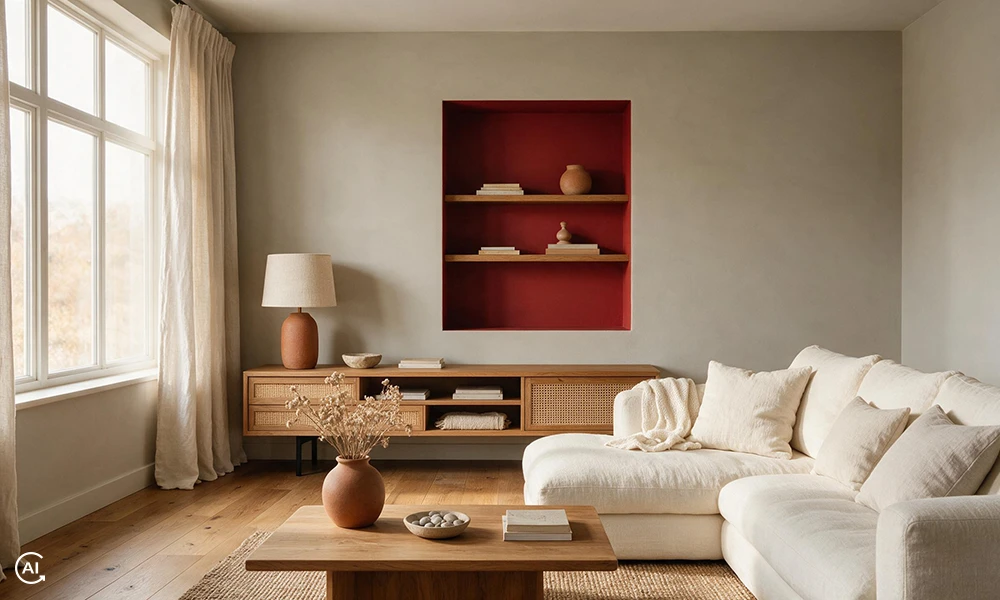
Colour trends 2027: what they mean for your home
Overall, the colour trends for 2027 reveal an exciting shift: away from pure restraint and towards a considered balance of timelessness and bold expression. RAL sums this up in the title of its latest trend report, Envision + Craft, reflecting the ability to envision the future and bring those ideas to life with thoughtful design.
In summary, five key trends are emerging for 2027:
Vibrant blue as a versatile, seasonless statement colour that can be used either subtly or across larger areas.
Warm earthy tones such as Sienna, Clay, and Pinkish Brown, conveying a sense of timelessness and comfort.
Soft pink and green tones that bring lightness and a fresh feel to interiors.
Bold accent colours such as Spicy Red and Energy Orange, used selectively to create striking highlights.
Layered neutrals such as Olivine Grey and Pepper White, providing a calm foundation for all these colour palettes.
The 2027 colour trends show that timeless natural tones and expressive accent colours do not have to be opposites. The key is to create a cohesive overall concept in which colours, materials, lighting, and technology work together harmoniously.
If you are planning a renovation or redesign, it is therefore worth considering electrical planning at an early stage. Light switches, socket outlets, and smart controls shape the overall feel of a room just as much as wall colours or furniture and can be deliberately incorporated into the colour scheme.
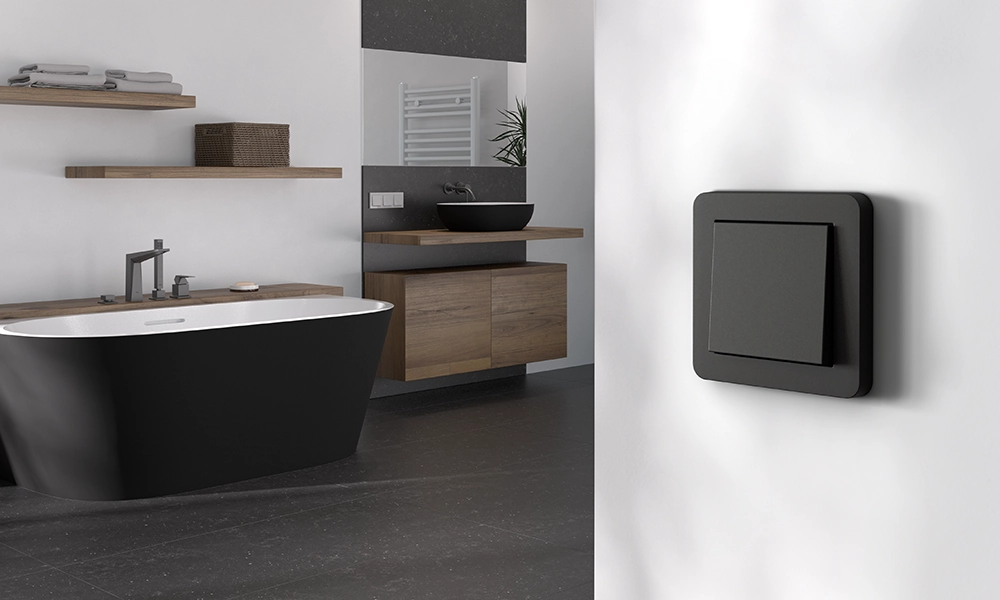
Gira E1
Gira E1 combines simple elegance with versatile customisation options. Choose from five different colours for perfect integration.
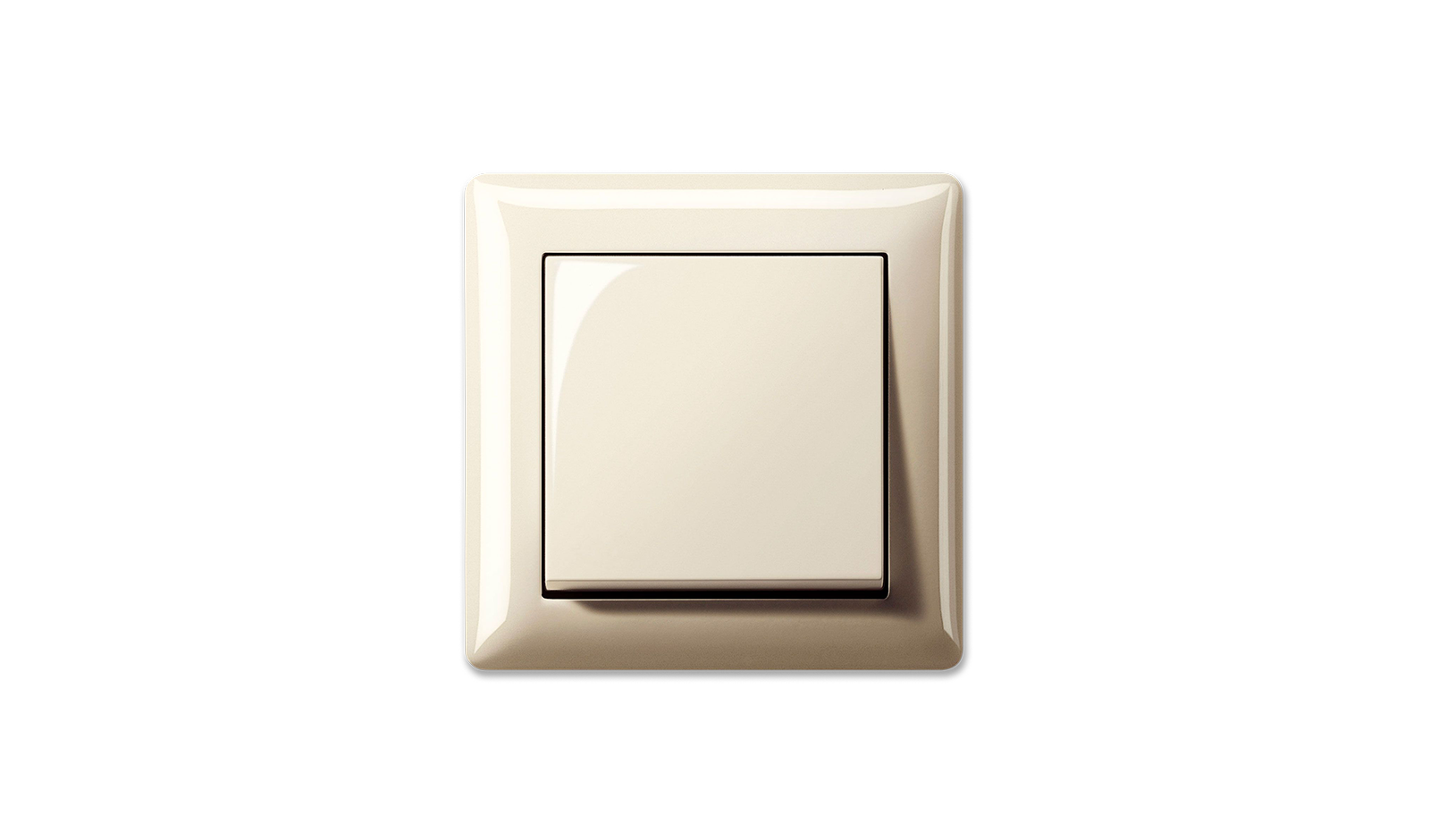
Gira Standard 55
The Gira Standard 55 design line is not only elegant, but also particularly low-maintenance: ✓3 shades of white ✓minimalist shape ✓made from thermoplastic
Gira Esprit
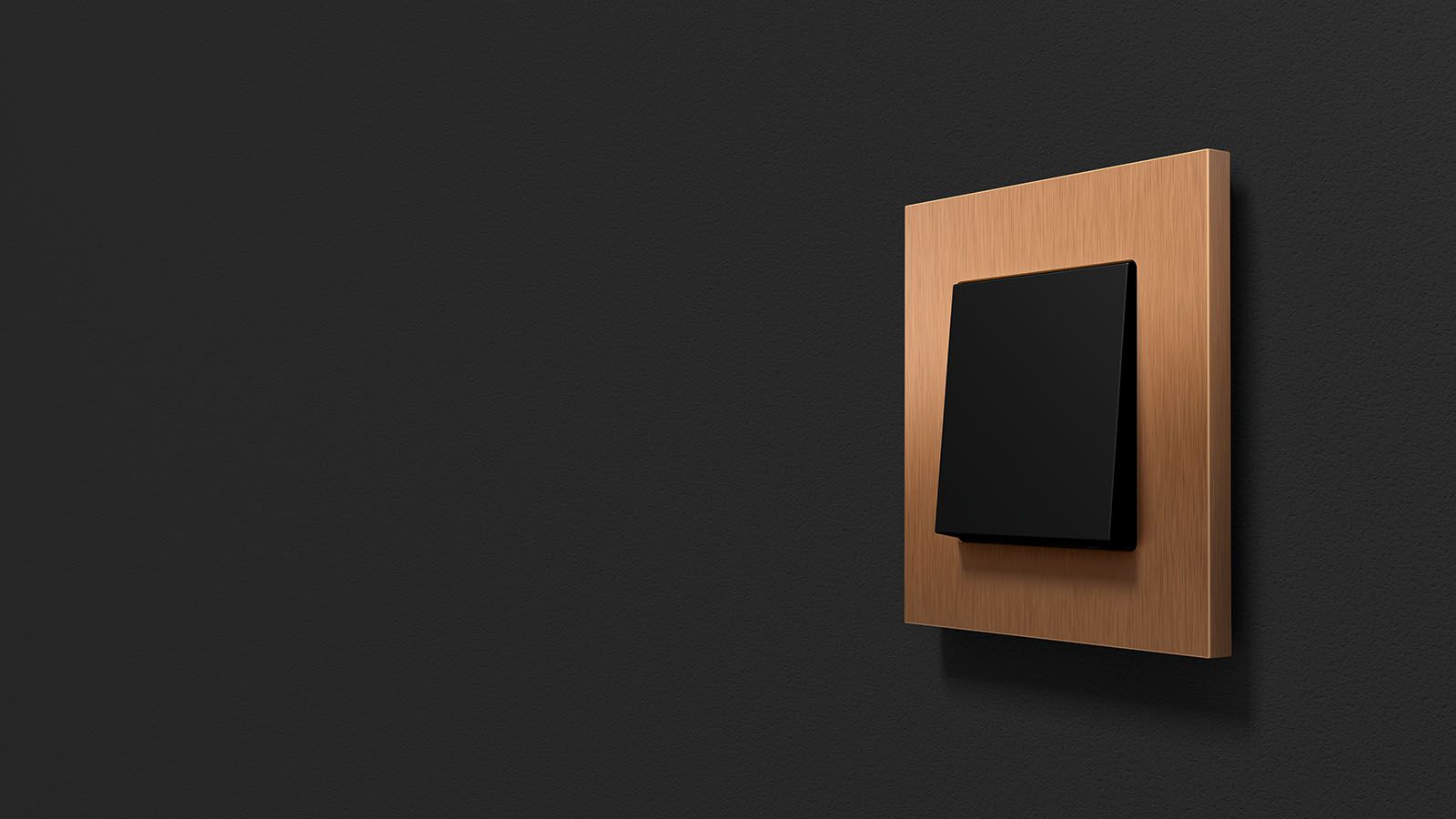
Switches from the Gira Esprit design line have a simplistic, yet sophisticated appeal: ✓ various colour shades ✓ natural materials ✓ smart functions.