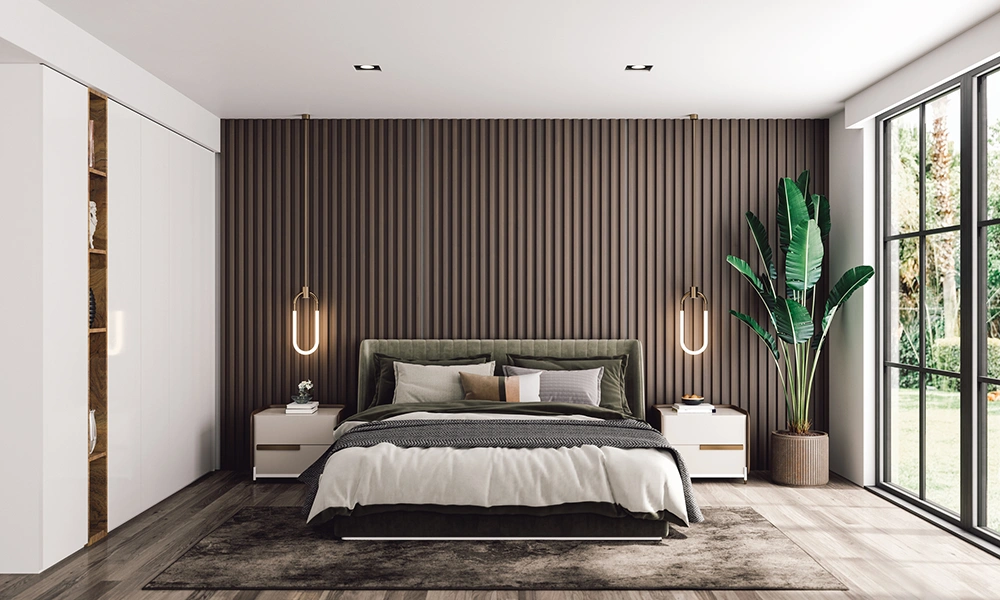
Designing a bedroom according to the Chinese principles of feng shui is intended to promote calm, harmony and a healthy flow of energy. This includes not only the correct positioning of the bed, but also the careful selection of colours, materials and furniture.
Constant stimuli, permanent availability and a fast-paced lifestyle challenge many of us every day and can lead to stress. This makes it all the more important to have a retreat within your own home where you can truly switch off and allow both body and mind to unwind.
The bedroom plays a particularly important role here. It is where we relax after a long day, recharge our energy and restore our inner balance. To support this, your sleeping area should be a calm and comfortable sanctuary, free from disruptive distractions.
This is where the Far Eastern design concept of feng shui can help. Its aim is to create a harmonious balance between people and their surroundings by optimising the flow of life energy, known as qi.
Below, you will find out how to design your bedroom according to the principles of feng shui and create a peaceful environment in which you can fully regenerate.
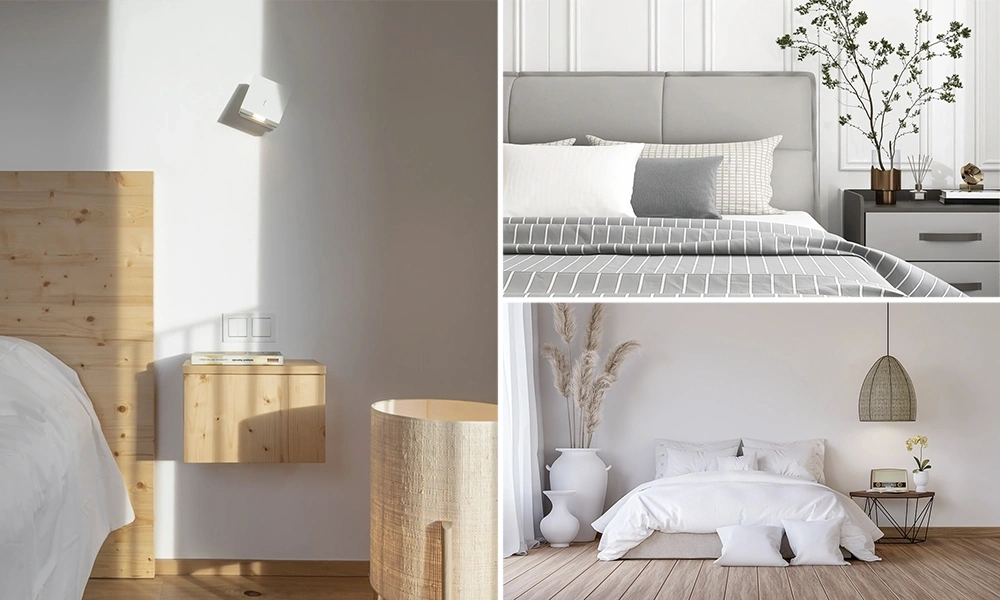
What is feng shui?
Feng shui is an ancient Chinese philosophy of harmony and translates as “wind and water”. Its aim is to promote a harmonious flow of life energy, known as qi, through the conscious arrangement of furniture, colours and objects.
Qi is the invisible energy that exists in everything and influences all aspects of life. For a harmonious living environment, it should be able to flow freely through your rooms. Designing your home according to feng shui principles is intended to create inner balance, positive energy and a sense of wellbeing.
Every room can be designed in line with feng shui. In the bedroom, this Chinese philosophy focuses on improving sleep quality and promoting inner calm. When you rest and recover properly during sleep, you start the day feeling refreshed, face challenges with greater ease and support your long-term emotional balance.
Designing your bedroom according to feng shui
In feng shui, the rear of a house is considered the so-called yin side and is typically the ideal location for a bedroom, as it is usually the quieter area. As a yin space, the bedroom represents retreat and regeneration.
It is therefore the most important place for rest in your home and should convey calm, comfort and a sense of security. If you are planning or renovating a house and want to follow feng shui principles, it is worth considering the layout from the very beginning.
This area is often where the garden or a quieter part of the building is located, away from traffic. You should also ensure that the bedroom is situated on an upper floor or as far as possible from more active areas such as the living room, kitchen or bathroom.
Furniture in feng shui: only what is necessary
To allow energy to flow freely in your bedroom, it is not only the location or the position of your bed that matters. The placement of the remaining furniture is equally important. Feng shui uses an energy map known as the “bagua”, which divides a home into different areas of life and serves as a guide for harmonious design.
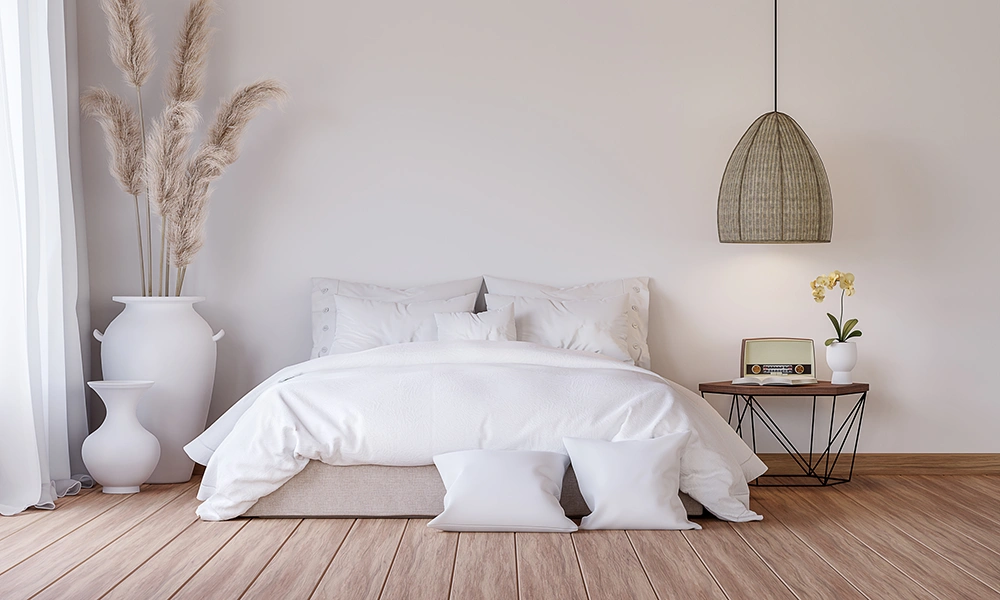
In the bedroom, avoid placing sharp-edged furniture close to the bed and leave sufficient space on both sides. You should also be able to see the door from your bed. Large, heavy furniture should be avoided. Delicate, lightweight pieces create a calm atmosphere and prevent the room from feeling overcrowded.
Closed storage solutions are also recommended, as open shelves or clothes rails can disrupt the flow of qi. A certain level of tidiness is equally important. A well-organised and balanced overall appearance promotes a sense of wellbeing and supports restful sleep.
The right bed position in a feng shui bedroom
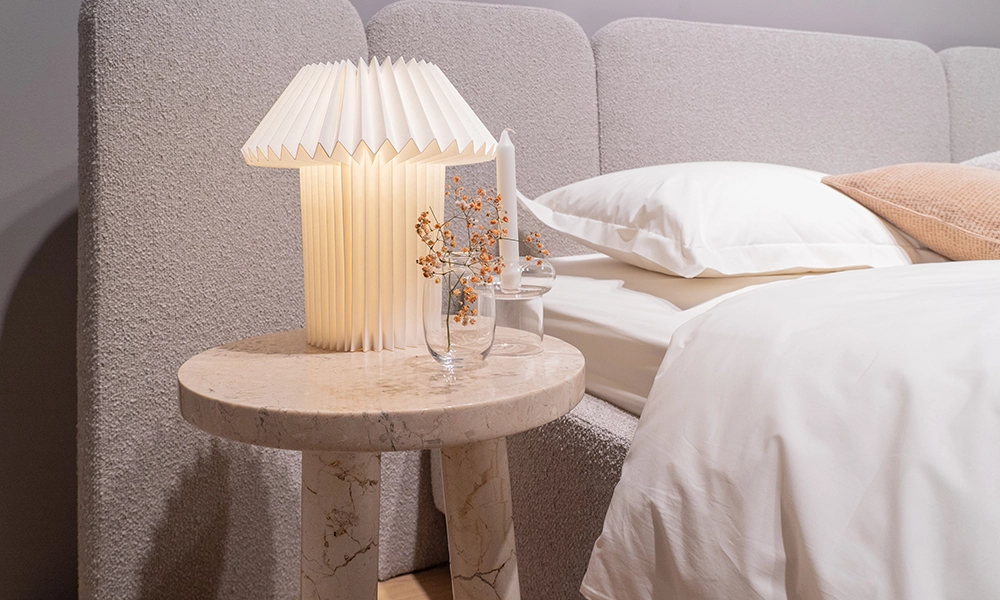
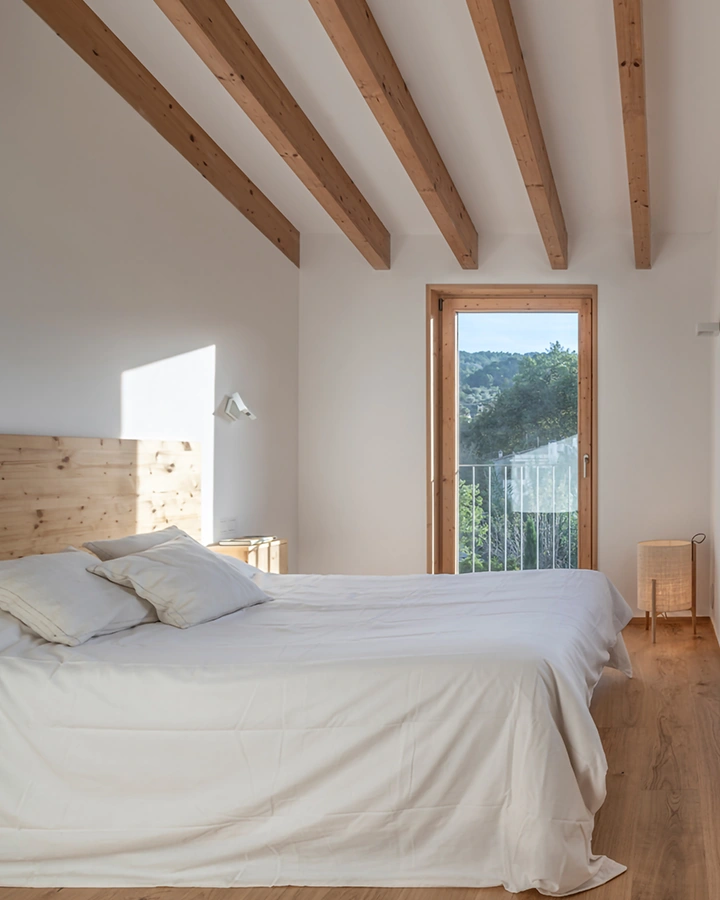
The bed is the centrepiece of your bedroom and plays a key role in feng shui. To create a sense of comfort and security, it should ideally be positioned with the headboard against a wall. In feng shui, this placement symbolises support and stability. However, make sure that there are no water or heating pipes running through this wall, as they may have a negative impact on your sleep.
The orientation of your bed is also crucial for sleep quality. The foot of the bed should not point directly towards the door. In feng shui, this position is known as the “coffin position”, as it symbolically allows your life energy to flow out of the room. It is also considered unfavourable to place the bed between a window and a door. In this position, qi can flow straight through the room without settling, which may lead to disturbed sleep.
If you are designing a small bedroom according to feng shui principles, position your bed as far away as possible from windows and radiators, ideally leaving at least 70 centimetres of space.
Feng shui in the bedroom: natural light for more energy
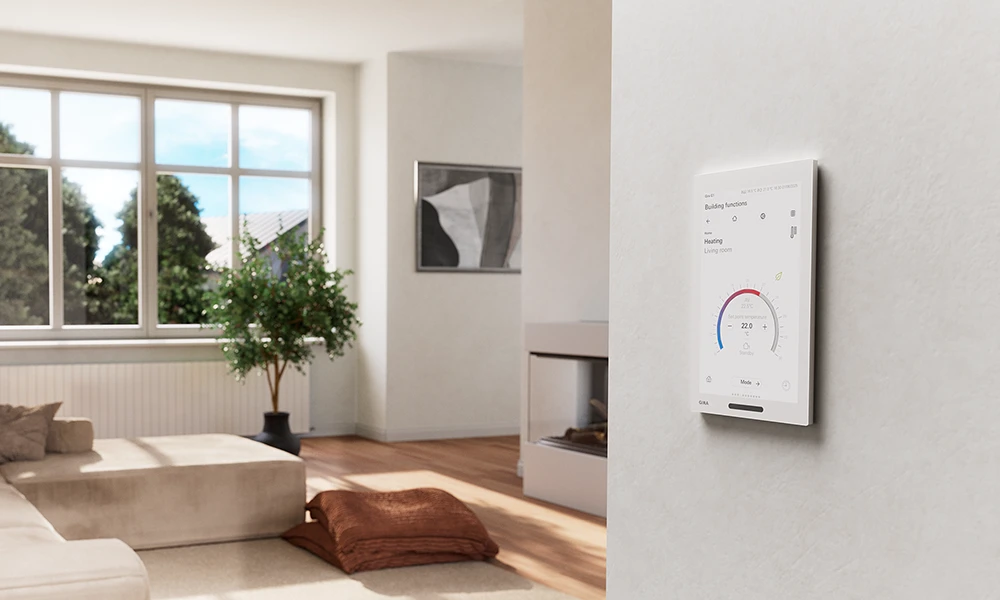
In feng shui, sunlight is seen as the strongest symbol of life energy, or qi. It lifts your mood and brings positive energy into the room. Especially in the bedroom, which should generally feel calm and understated, a mindful approach to lighting is essential.
For this reason, the sleeping area should primarily be filled with natural light during the day. If you use curtains, choose light, translucent fabrics that gently diffuse sunlight into the room.
In the evening, warm and soft artificial lighting is recommended, for example with lamps that provide a warm white colour temperature. Avoid cool white, harsh lighting, as it can create a sense of restlessness.
Candlelight is also an excellent choice, as it not only provides soft illumination but also creates a particularly cosy and relaxing atmosphere.
Which direction should you sleep in?
According to feng shui principles, you should avoid positioning your bed facing south, as this direction is associated with the element of fire and the colour red.
Both represent activity and are therefore not ideal for restful sleep. East and west are considered more suitable directions. However, the best orientation also depends on your personal sleep habits.
If you prefer to start your day early and full of energy, an east-facing position is recommended. If you tend to sleep longer, enjoy a more restful start or usually go to bed late, a west-facing orientation is the better choice.
Sleep more peacefully with the right colour scheme
In feng shui, the principle of “less is more” also applies to the colour design of the bedroom. After all, this is a place of rest where you want to unwind and recharge your energy.
Bold, stimulating colours such as red, orange and violet are therefore not suitable, as they introduce too much activity into the space. Very dark or overly bright tones should also be avoided.
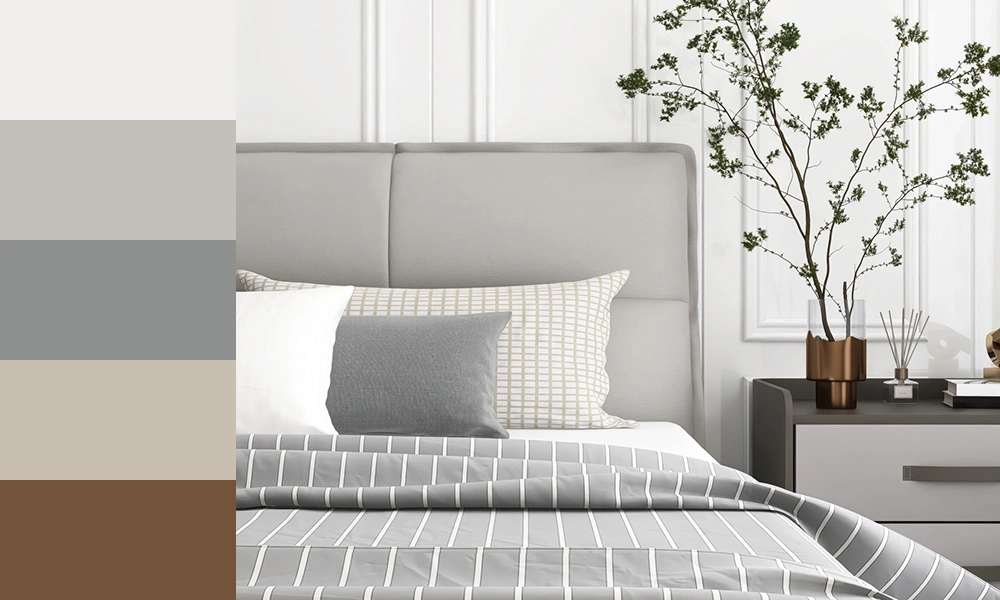
Instead, opt for soft, natural colours that create a harmonious atmosphere. Light shades such as beige, cream or sand are particularly recommended. These warm tones have a calming effect and can even encourage restful dreaming.
Pastel shades such as soft blue or light green also support healthy, restorative sleep. The following overview will help you choose the right colours for your bedroom:
Plants in feng shui: transforming your bedroom into a green sanctuary
In feng shui, plants are considered powerful sources of energy. They improve air quality and have been shown to have a positive effect on mood. They also support the natural flow of qi and bring vitality into any space, even quiet areas such as the bedroom.
However, restraint is key here. Too much “green activity” can disturb the desired calm and affect the restorative character of the room. In addition, many, especially larger plants, consume oxygen at night, which can impact the air quality while you sleep.
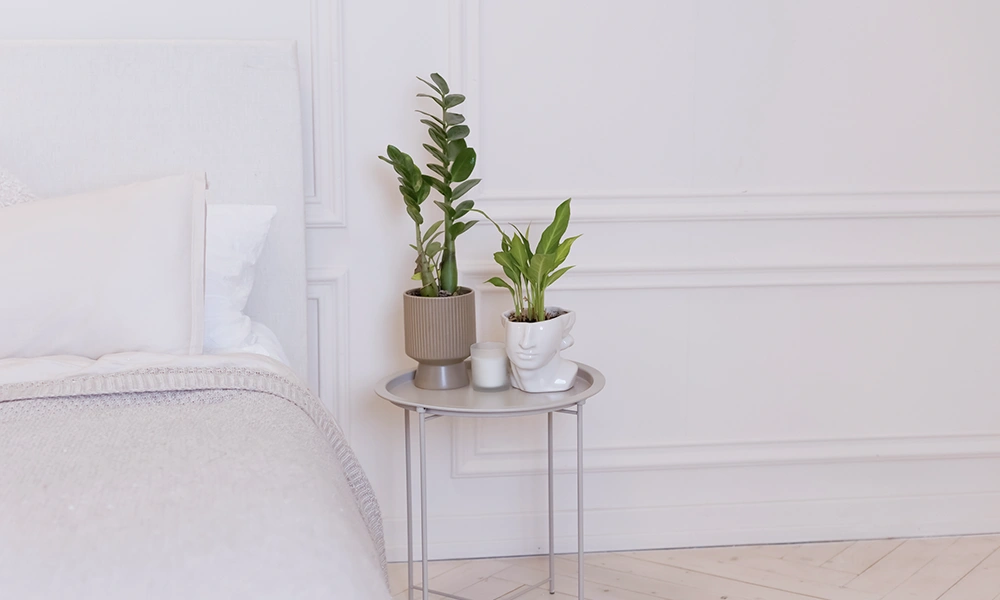
It is therefore better to use a few carefully chosen green accents that blend harmoniously into the overall design of your bedroom. Plants with soft, rounded leaves are ideal, as they allow energy to flow gently without disrupting it. Particularly recommended for the bedroom are:
Aloe vera: produces oxygen at night and has a calming effect
Spider plant: releases oxygen and helps regulate humidity
Snake plant (Sansevieria): filters pollutants from the air and symbolises luck and prosperity
Peace lily (Spathiphyllum): helps reduce germs and supports a healthy indoor climate
Enhancing energy flow with natural materials
In feng shui, not only colours but also materials play a role in strengthening positive energy within a space. Soft, natural materials such as wood, leather, cotton, wool and linen are particularly recommended. Synthetic fabrics and artificial leather, on the other hand, should be avoided.
For example, a solid wood bed frame is more suitable for a feng shui bedroom than one made of metal. When choosing flooring, parquet creates a warmer and more comfortable atmosphere than tiles.
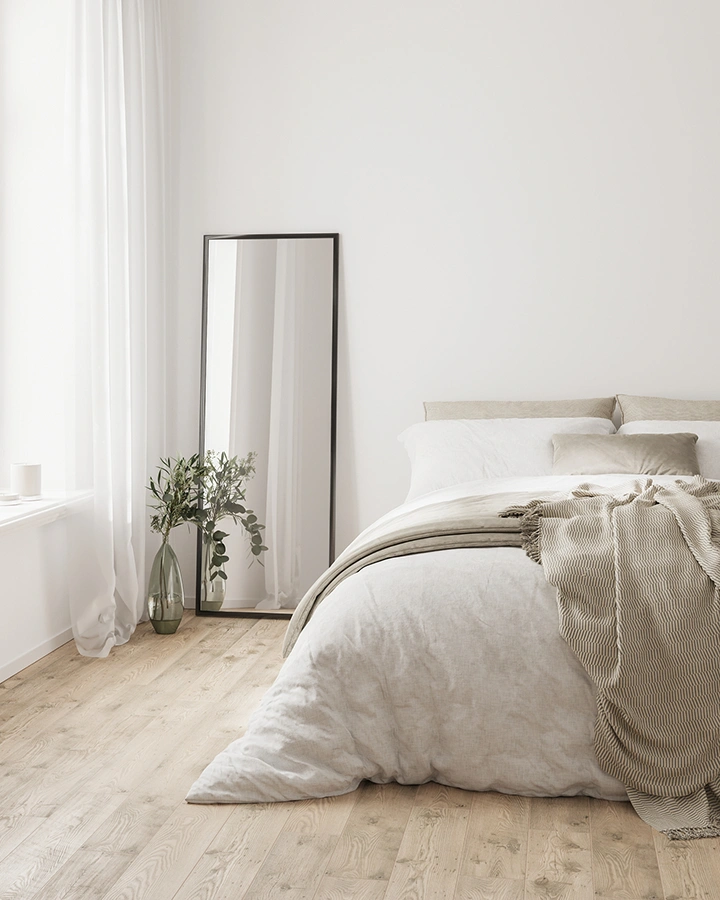
Mirrors in a feng shui bedroom: yes or no?
In feng shui, mirrors are generally not a problem, as long as they are not positioned directly facing the bed.
In this position, the mirror surface reflects too much qi, which can disrupt the flow of energy in the room and affect your sleep. If the position of the mirror cannot be changed, you can cover it with a cloth at night.
Feng shui in the bedroom: the effect of artwork
According to feng shui principles, every object in your bedroom has the potential to influence the flow of qi, including pictures and other artworks. Choosing the right pieces goes beyond aesthetics, as intention also plays an important role.
Consider what you want to achieve in your space and how art can support this. For example, romantic images or symbols in pairs can strengthen love and relationships. Elements of water or symbols of prosperity, such as a flowing river or goldfish, can contribute to financial stability.
Choose images featuring people, symbols or motivational quotes that inspire confidence. Opt for calming colours such as beige, light blue, various shades of green or soft brown. Avoid dark or gloomy imagery in the bedroom, as it may evoke negative emotions and lead to restless sleep.
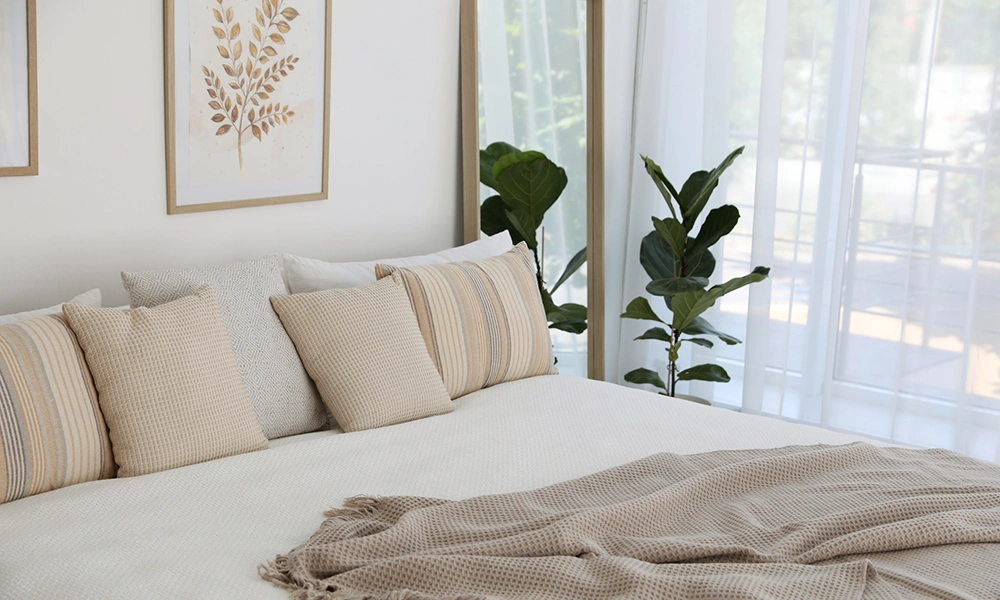
Avoid electronics in the bedroom
Electronic devices can be disruptive in the bedroom. However, in modern life they are often difficult to avoid. Electronic alarm clocks, smartphones on the bedside table and televisions at the foot of the bed are just a few examples.
All of these can be distracting and delay the process of relaxation, which may disrupt the harmonious flow of qi. In summary, the mindful arrangement of furniture, colours, lighting and materials helps to support the flow of energy in your home.
Feng shui in the bedroom goes beyond aesthetics and offers a holistic approach to better sleep and improved quality of life.
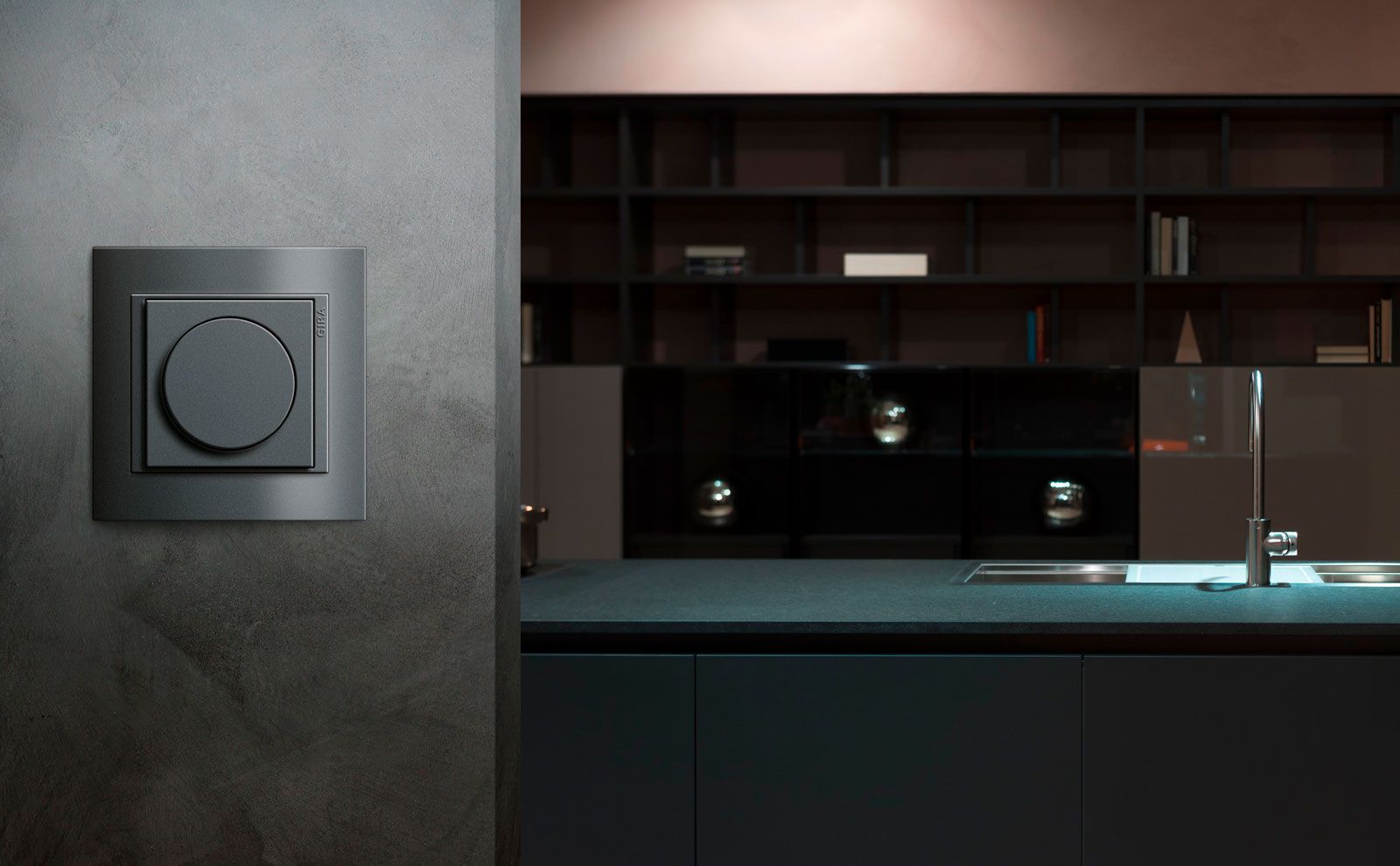
Dimming lights: functions and possibilities
With push, rotary or switch dimmers from Gira, you can dim the lighting in your living spaces in seconds and save energy. Discover suitable models now.
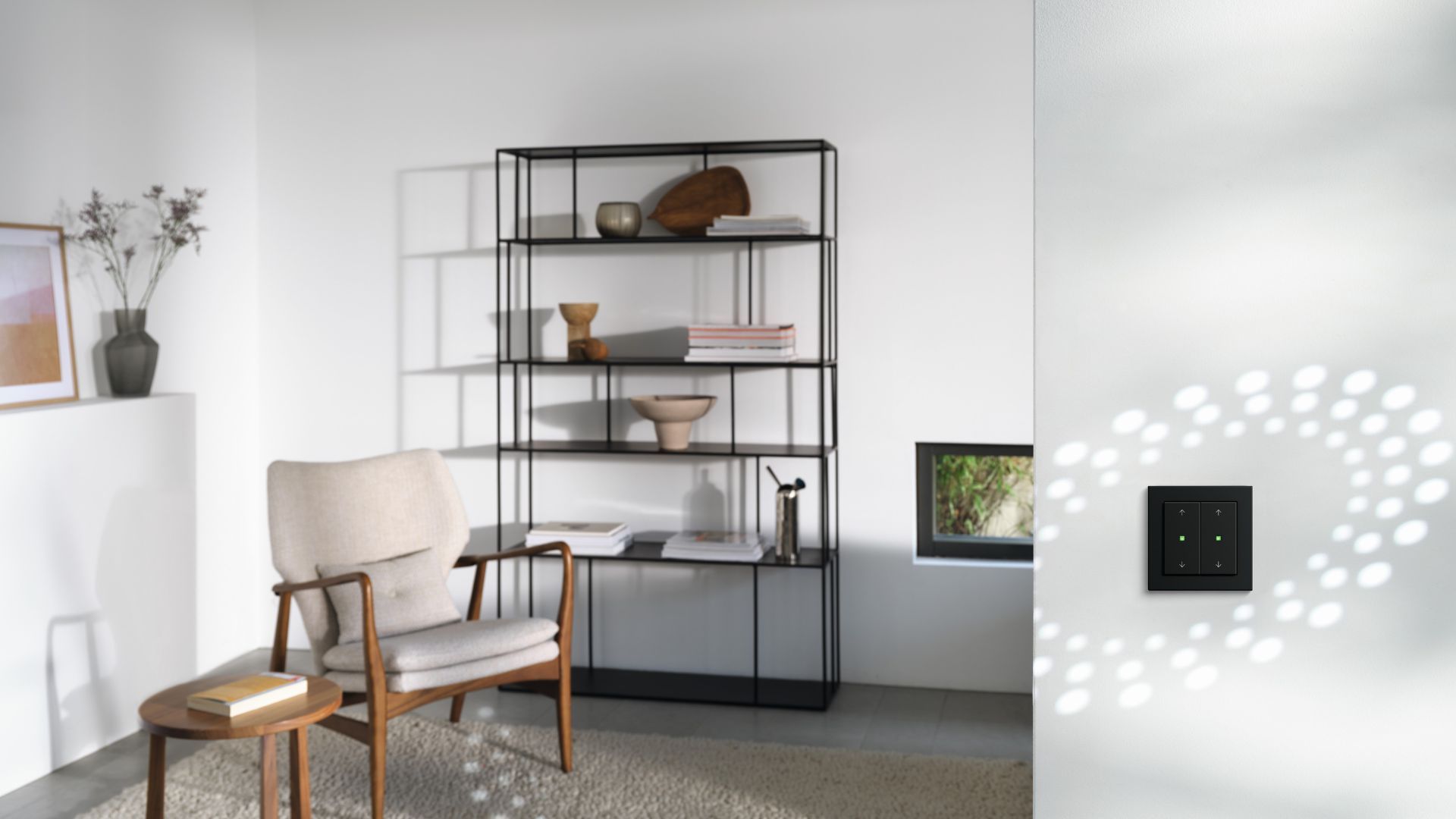
Gira One: Smart Home made easy
Take the plunge into the world of the Smart Home with Gira One. Our new system gives you any number of automation options for your home. More info.
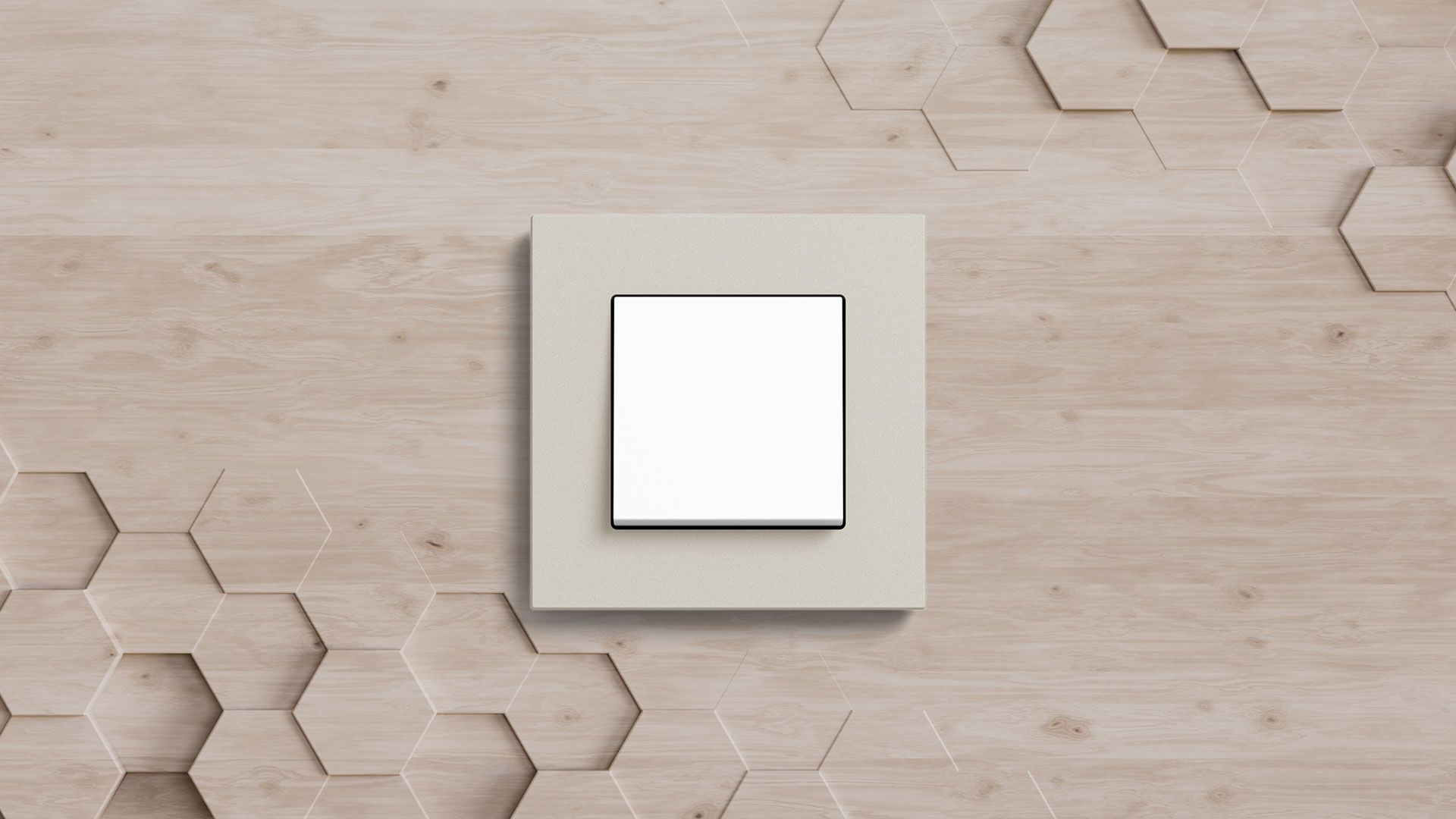
Linoleum-plywood – stylish and sustainable
A future-proof mix of materials that brings us back to the beauty of nature: linoleum-plywood is made from renewable resources.
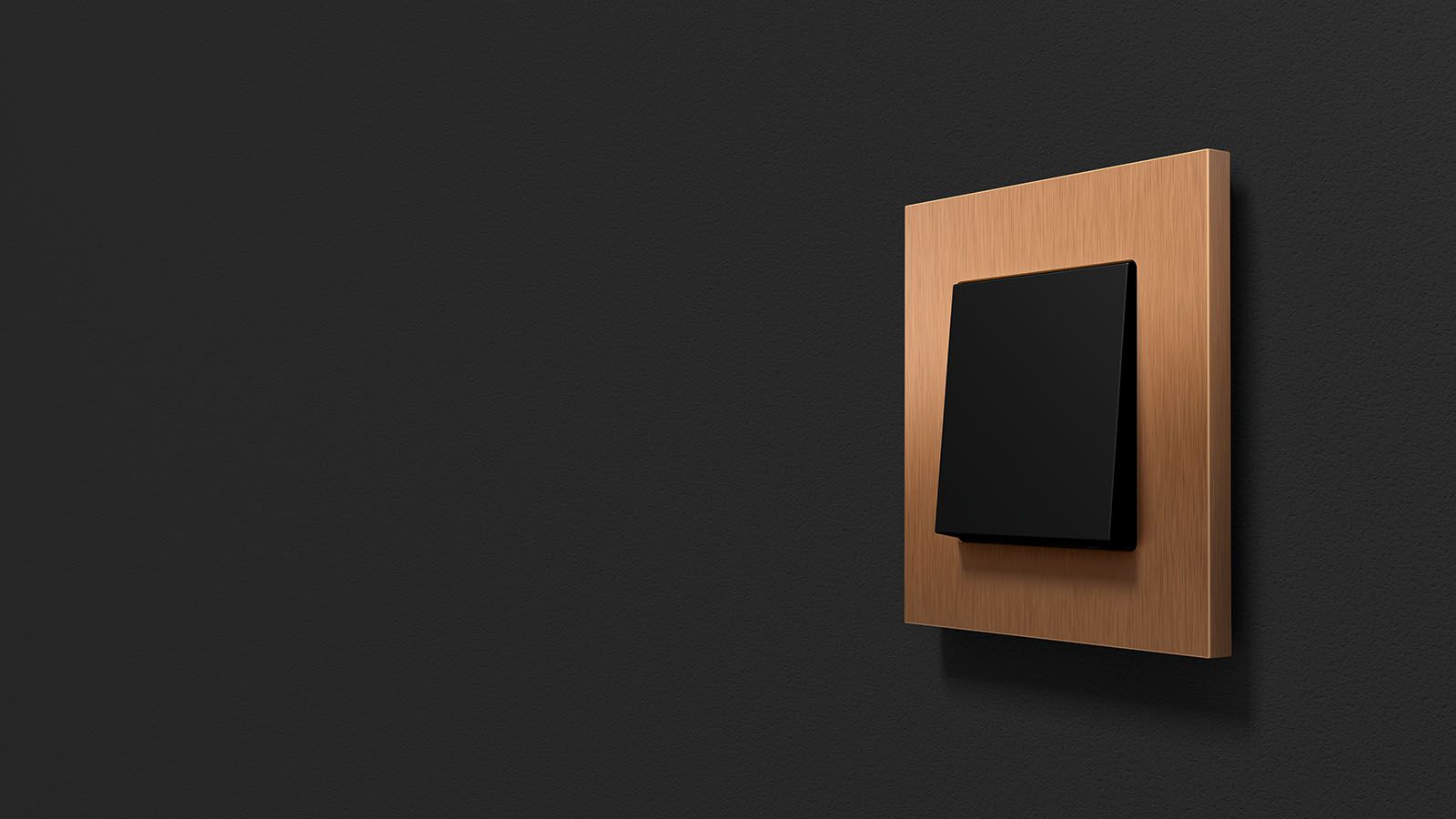
Gira Esprit
Switches from the Gira Esprit design line have a simplistic, yet sophisticated appeal: ✓ various colour shades ✓ natural materials ✓ smart functions.