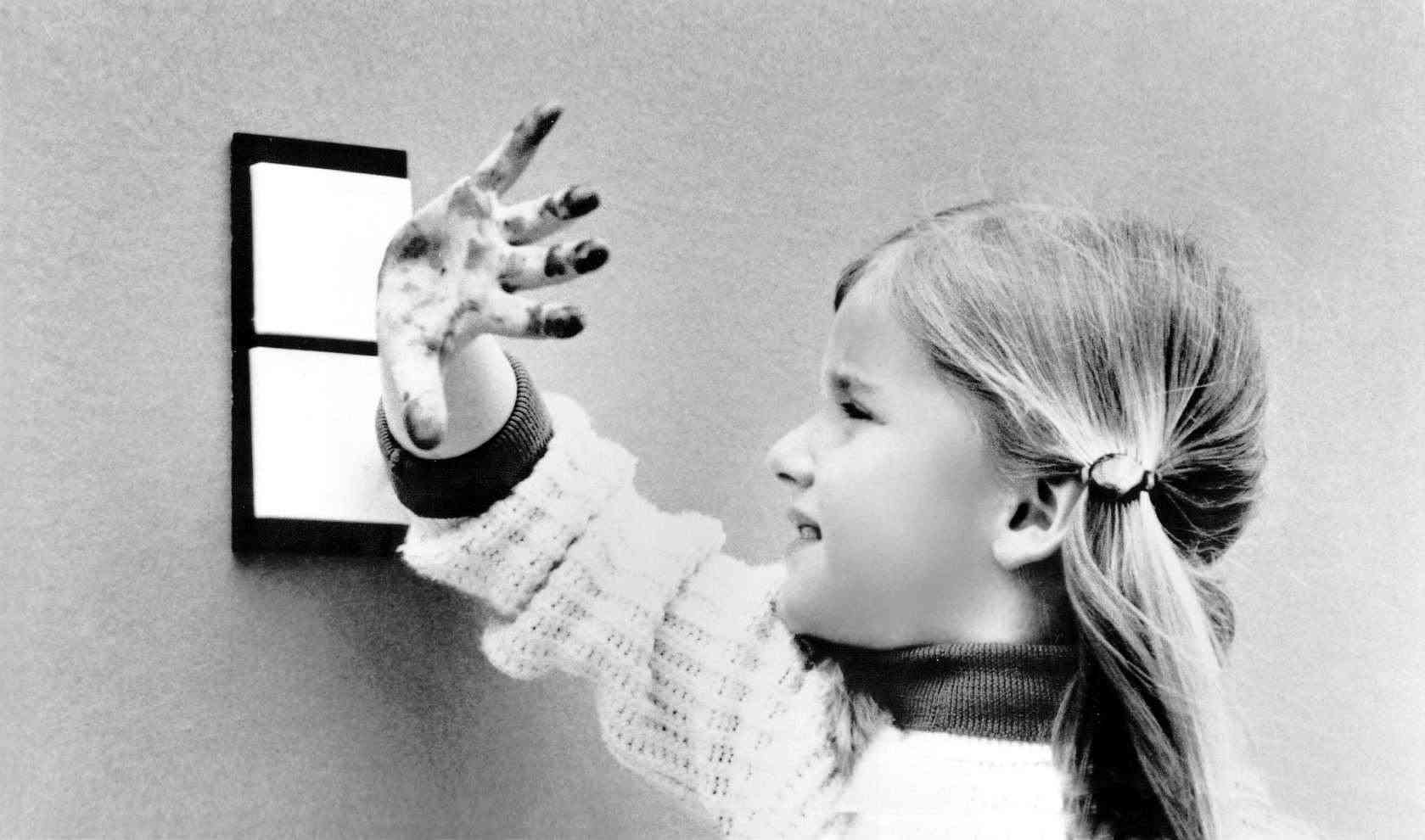
Gira company history: milestones at a glance
Gira company history: milestones at a glance
1905
The founding.
Gustav and Richard Giersiepen found their venture on August 1, 1905 in two rented rooms in Wichlinghausen (today a district of Wuppertal): a manufacturer of light switches and parts for electrical installation in buildings. With this, these two pioneers lay the foundation for the Gira brand – and for a success story that continues to this day. In our image gallery, you can see various Gira milestones from the Tumbler Switch 1905 to the smart home solutions of the 21st century.
1910
Promising beginnings
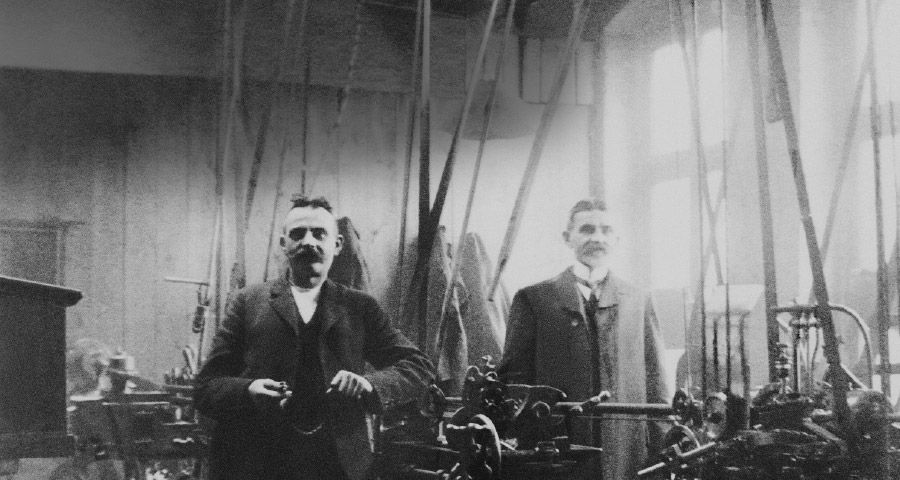
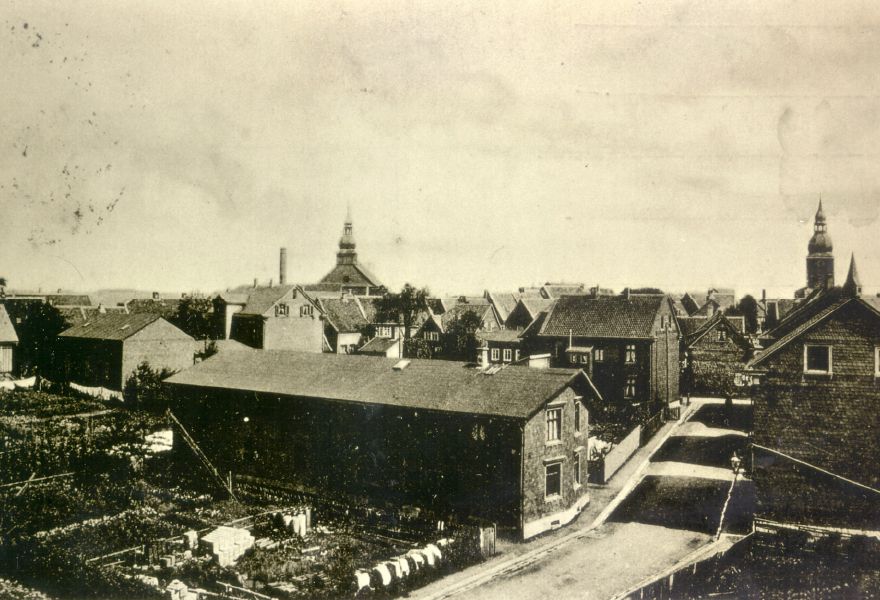
By 1910, the founders were already looking for space to expand – demand was growing quickly. They found it on Weststraße in Radevormwald. Production initially took place in a wooden shed, while the families lived across the street. The second generation joined the family business, which was now entered in the commercial register as “Gebrüder Giersiepen”.
1912
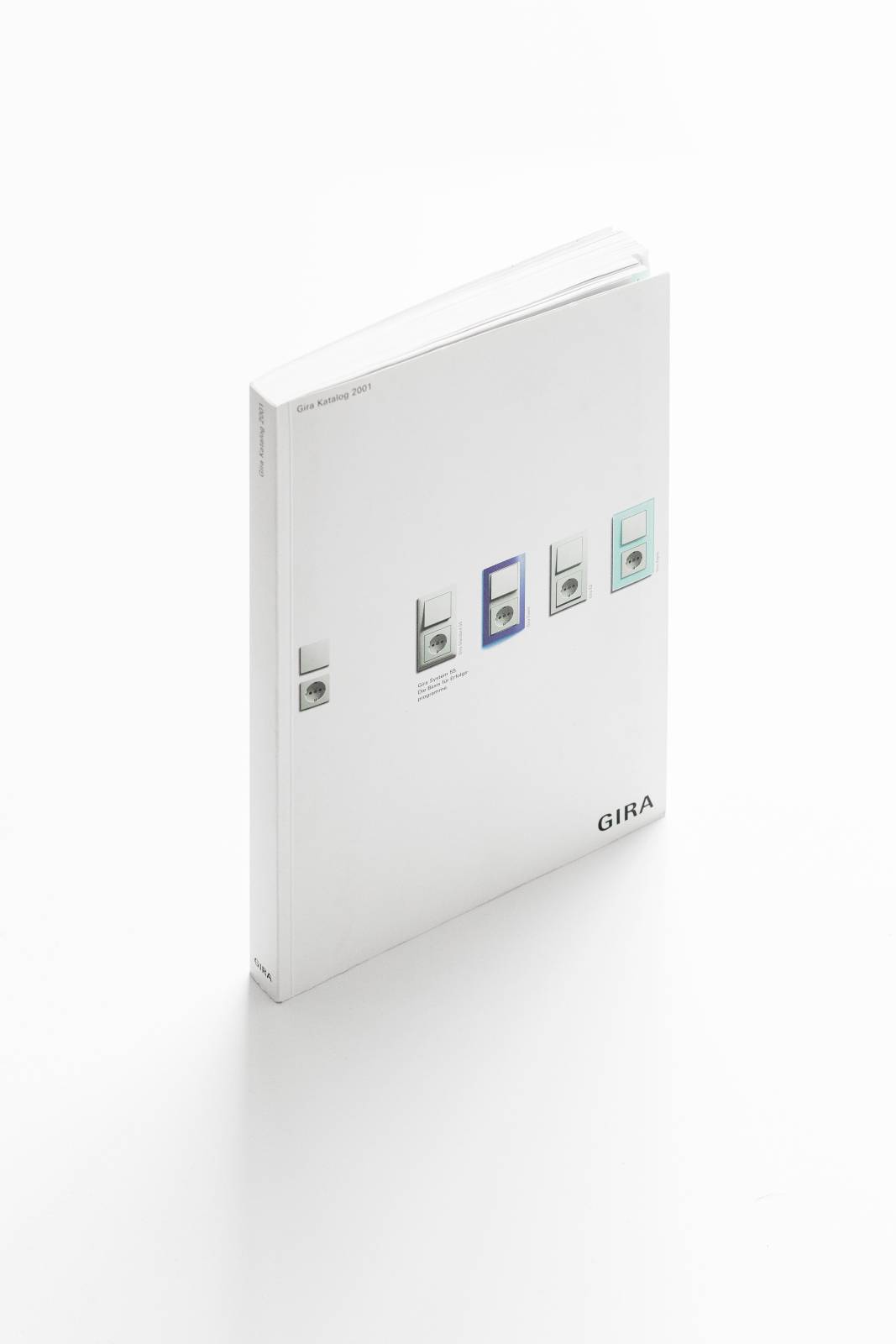
The first catalogue
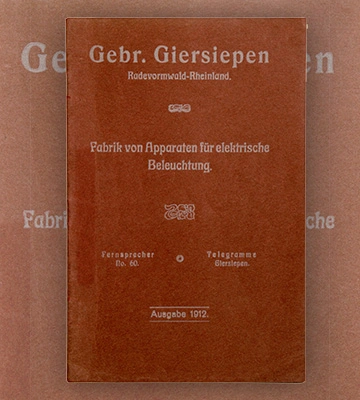
The young company presented itself as a manufacturer of installation materials with a special focus on metal parts. Unusual for the electrical industry at the time: the Giersiepen brothers already used a product catalogue. The range covered everything needed for electrical installations: lamp holders, sockets, plugs, junction boxes, lamp hoists, terminal blocks, fuses, and the tumbler switch.
1926
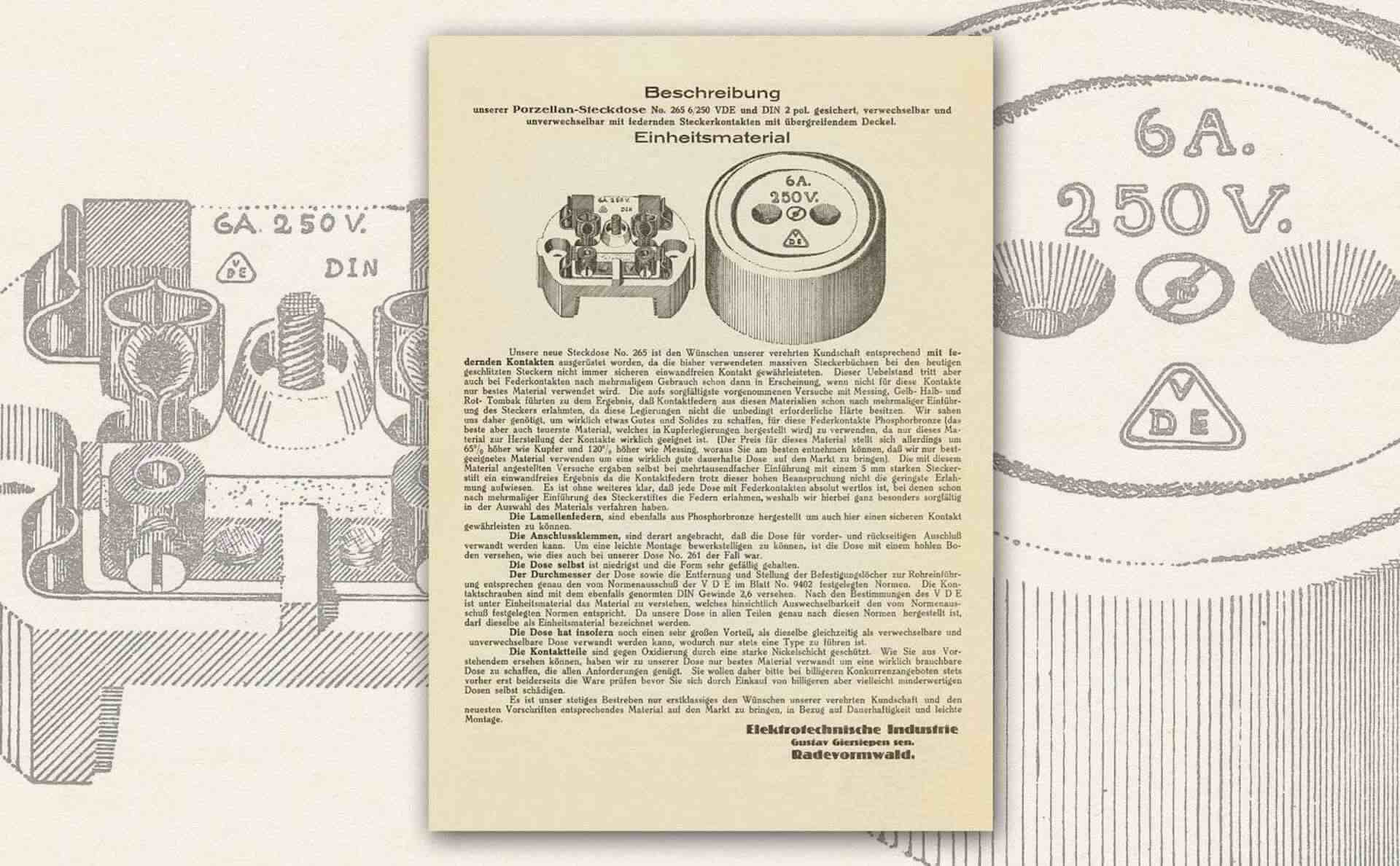
Socket outlet no. 265.
Always seeking a superior better solution: with the Porcelain Plug Socket No. 265, patent masters and developers in Radevormwald set a new quality standard. This product is equipped with “springy” contact – exactly in accordance with the customer’s wishes.
1927
The first logo
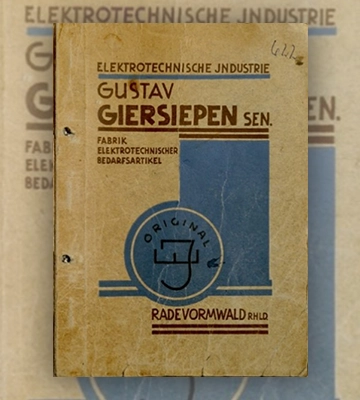
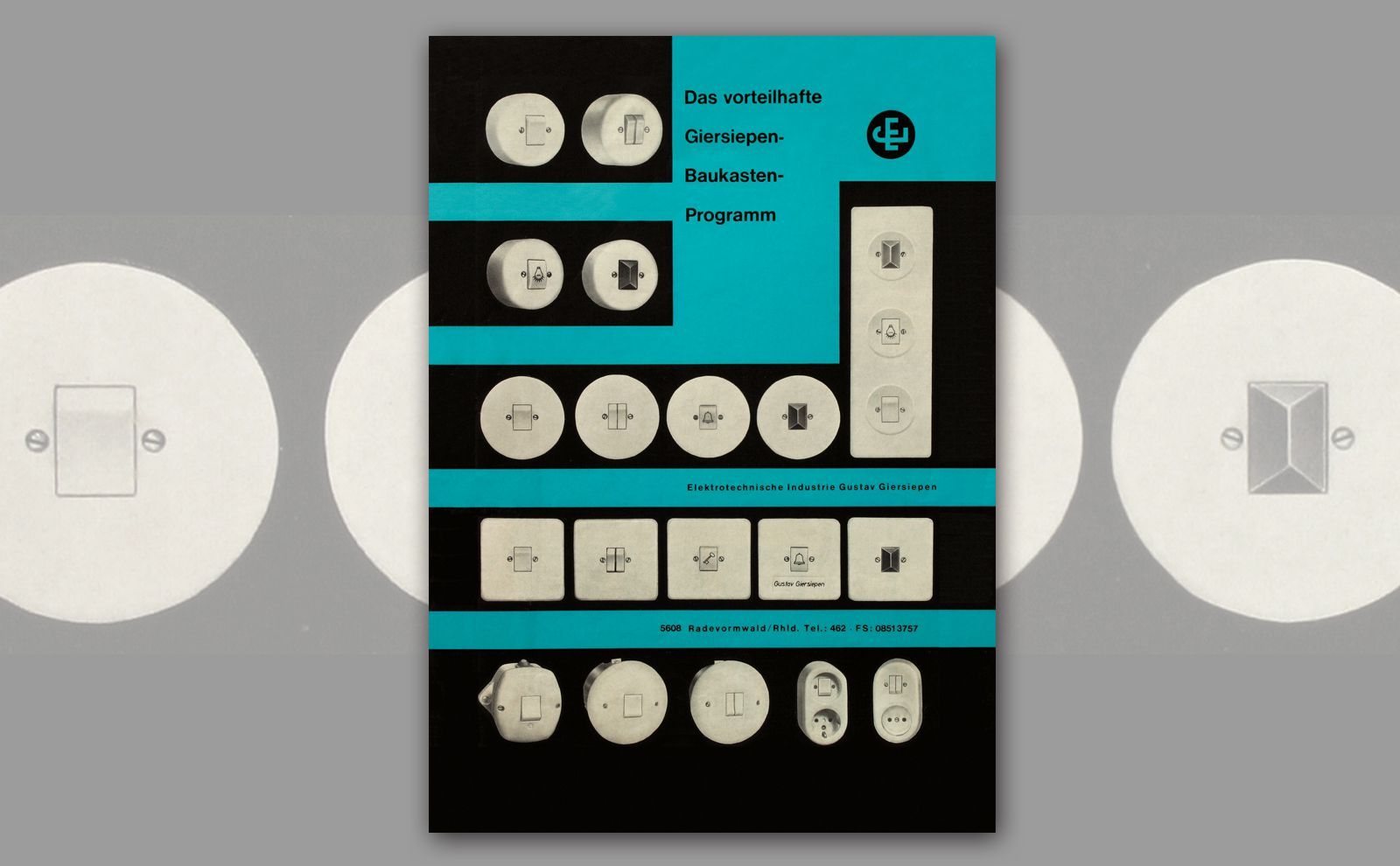
The “Factory for electrical lighting equipment” became “Elektrotechnische Industrie Gustav Giersiepen”. Around this time, the company also began using its first logo: the overlapping letters “E” and “I” – even in two different versions, either with a horizontal “E” and vertical “I”, or the other way round.
1938
A new installation method
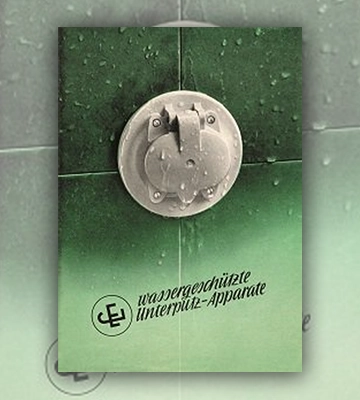
Gira was the first in the industry to introduce the moisture-proof flush-mounted installation system. This opened up new areas of application, such as bathrooms, basements, or laundry rooms. A small but clever innovation proved especially helpful to customers: a sheet-metal cover supplied free of charge to prevent installation boxes from being set too deep.
1943
Challenging years
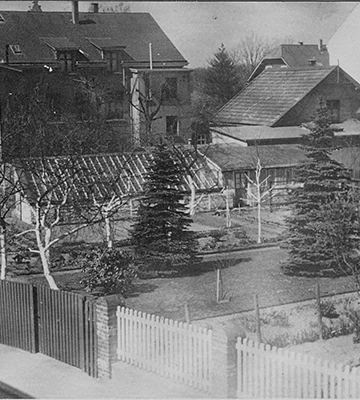
The Second World War (1939–1945) brought rationing, production adjustments, shortages of staff due to conscription, financial restrictions, and the threat of air raids. During the heaviest air attack on Radevormwald in 1943, both the family home (pictured) and the factory survived unscathed.”: at 30,000 square metres, the new Gira Centre for Production, Development and Logistics has 500 ultramodern workstations – a pronounced commitment to the Radevormwald location.
1953
In-house plastics production
The company decided to establish its own plastics production in order to manufacture the required components itself. This not only secured supply but also built valuable expertise in a material that was becoming increasingly important for products. The benefit: greater production depth and full control over product quality.
1960
A variety of systems.
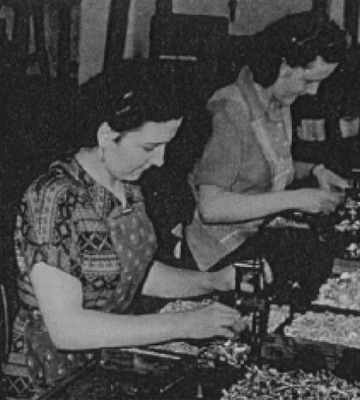
With intelligent construction kits, Gira sets a new standard within the industry. This makes it possible to combine a variety of solutions and functions in one single design. It also ensures greater clarity and security of planning.
1964
From EI to Gira
The company name changed from Elektrotechnische Industrie to GIRA (initially with the subtitle “Elektrotechnische Industrie Gustav Giersiepen”, which was soon dropped). The new name combined the first letters of the family name Giersiepen and the town Radevormwald, where the company had been based since 1910.
1966
The Gira rocker switch
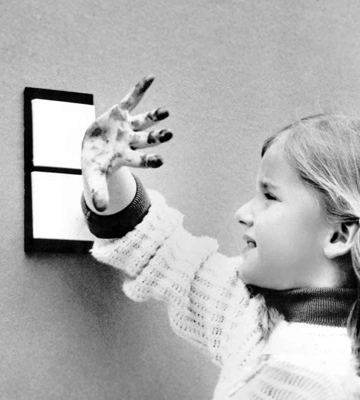
Committed to both tradition and innovation, Gira set new standards in 1966 with the Gira rocker switch, especially in architecture. Today, this icon has been comprehensively developed further and equipped with the full functionality of modern building technology.
1970
Excellence in every form.
Collaborating with creative designers such as Odo Klose, award-winning design classics are conceived. This includes the S-Komfort lightswitch range, an international bestseller.
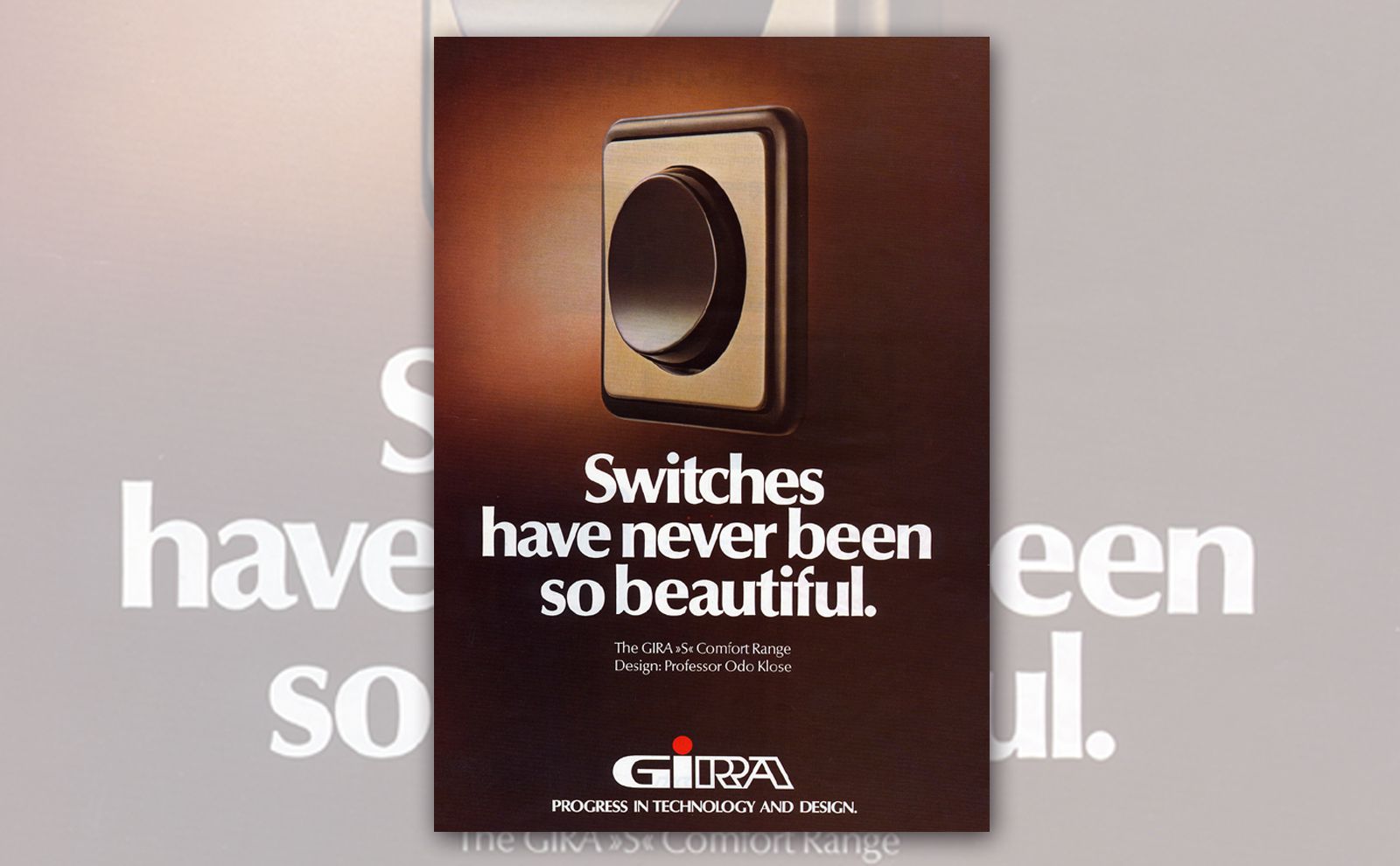
1985
A switch as part of interior design
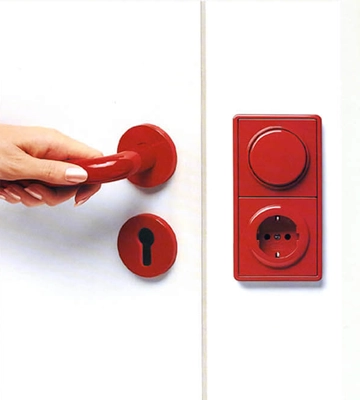
Colour was all the rage in interior design in the mid-1980s. Responding to the wishes of architects to have switches and sockets that matched interior and furnishing elements, Gira introduced the S-Color switch. The award-winning design came in a variety of colours and became a great sales success.
1990
Smart Home pioneers.
Since the early 90s, Gira has been one of the forerunners of digital interconnection in buildings. As a partner of KNX, the thought leaders from the Bergisches Land are heavily involved in the development of global standards for smart living.

1998
Intelligent platform concept for customised design.
Gira System 55 with the design lines E2, E3, Event, Standard, and Esprit offers more than 300 functions – suitable for any home and interior style.
2000
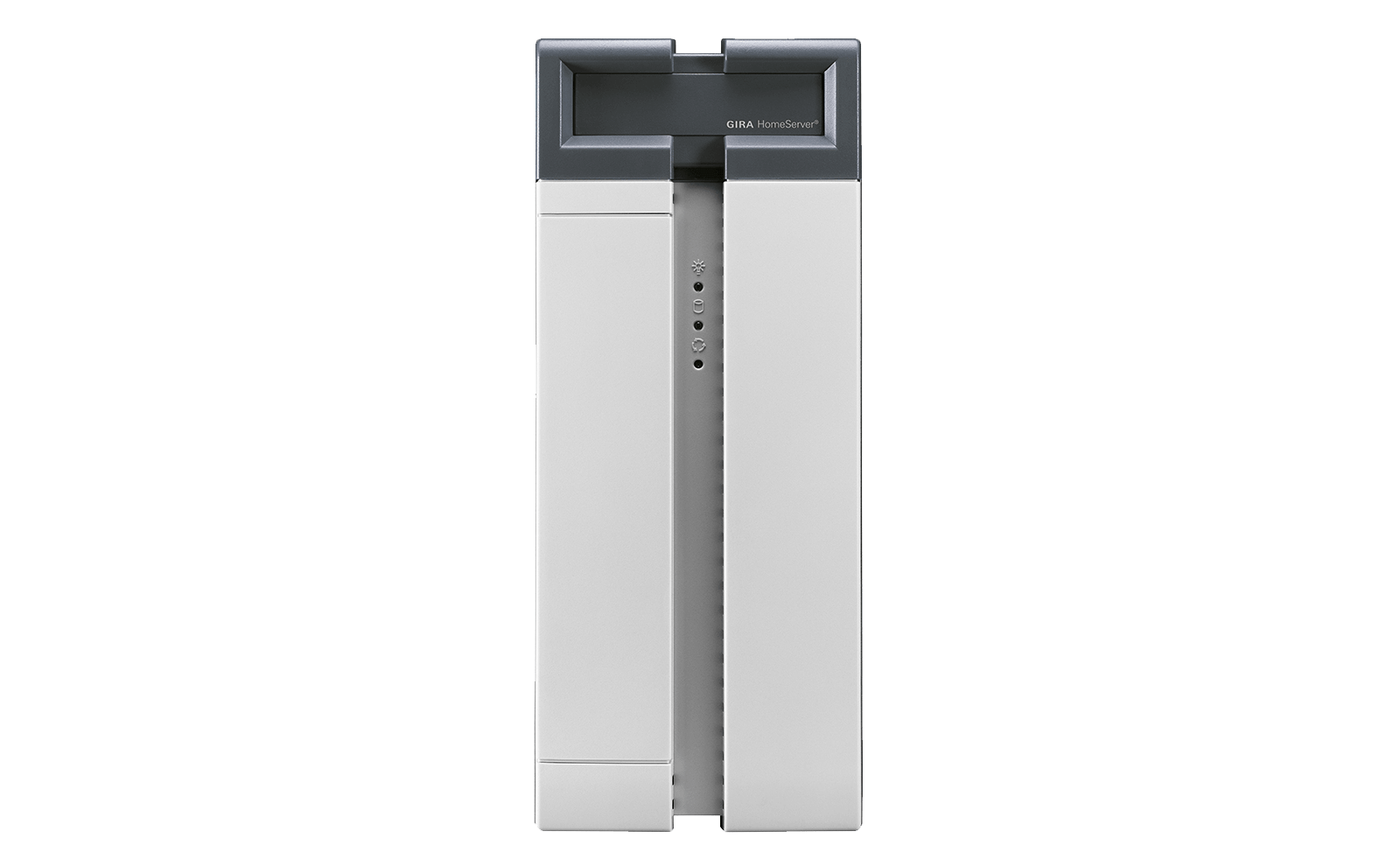
Connecting to the WWW
Homes and buildings became truly smart with the Gira HomeServer. Complex installations with extensive functionality were made to be operated intuitively. For the first time, the Gira HomeServer connected the KNX system’s electrical installation to the home computer network and the internet – a world first at the time.
2002
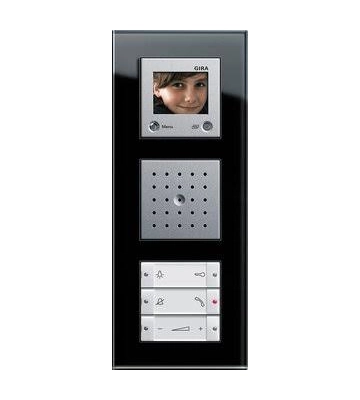
Gira opens the door
Engineering excellence and design expertise came together in Gira’s door communication systems, opening up a new product field for the company. Modern electronics made it possible to integrate high-end intercom systems into a standard switch box – and therefore into Gira’s design lines. “Everything from a single source” was more than a slogan: consistent switch design throughout the entire building, starting at the front door, was now a reality.
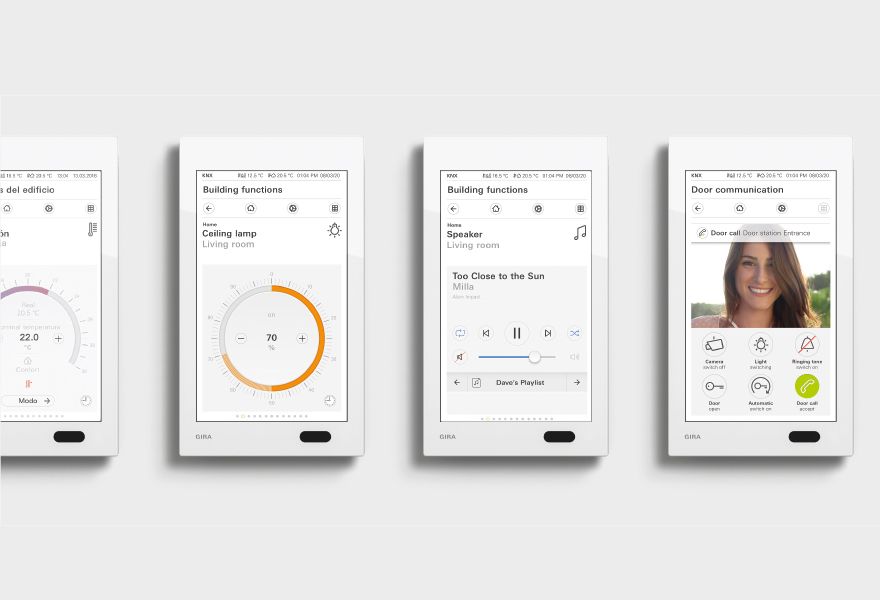
2015
Smart control at home
With the compact and modern Gira G1 control unit, the team from Radevormwald presented an intuitive and design-oriented solution for convenient control of a wide variety of functions. No wonder the Gira G1 has already received numerous design awards.
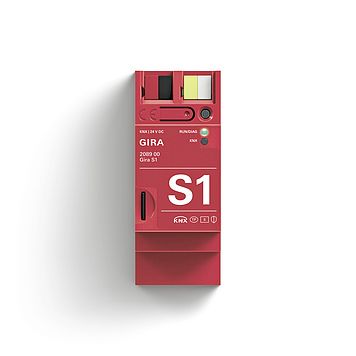
2018
Gira S1.
Data security in an interconnected house. With the Gira S1 remote access module, communication with the KNX Smart Home is fully encrypted even when on the move and in accordance with the high standards of German data protection.
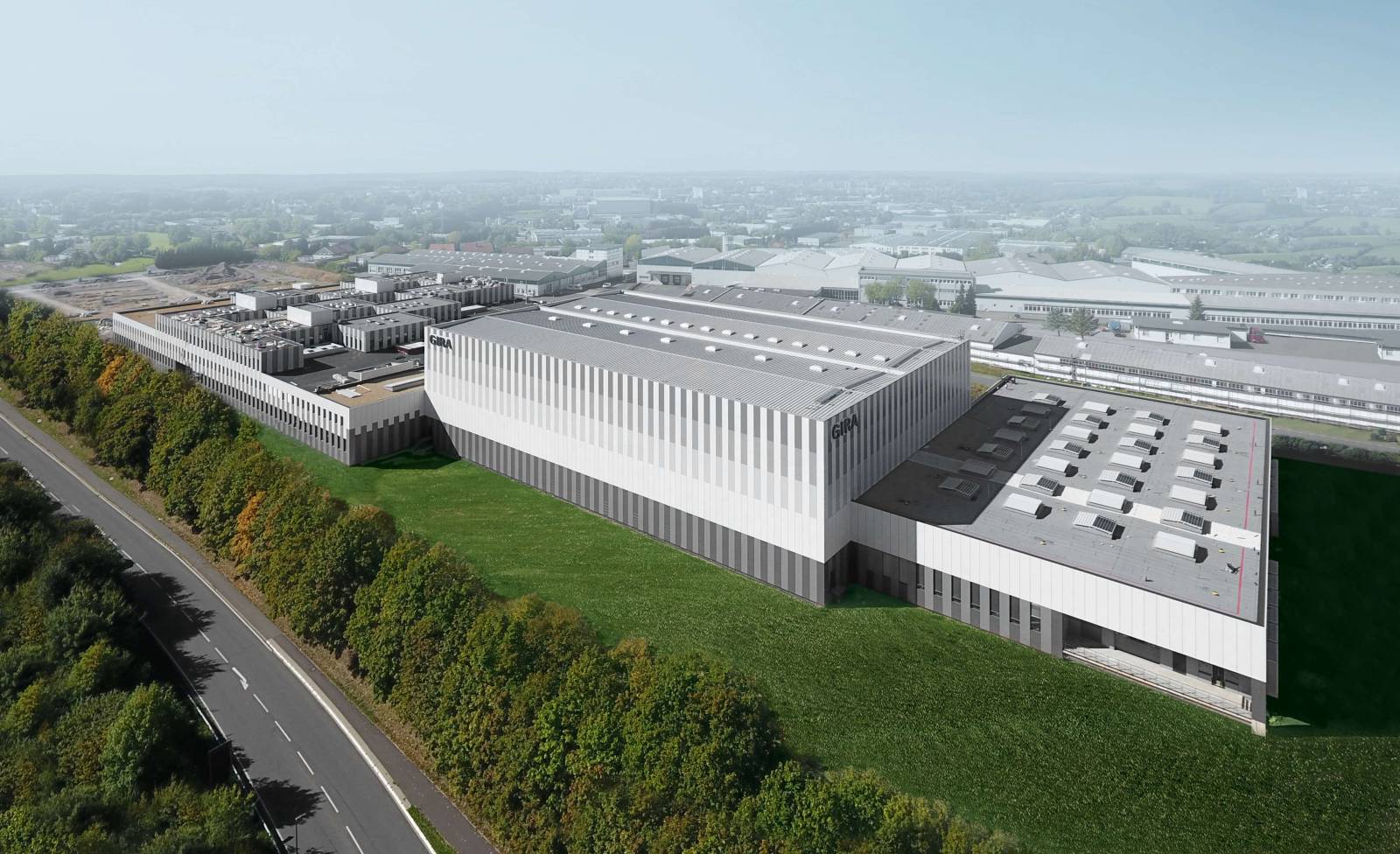
2018
Campus Röntgenstraße.
Quality “Made in Germany”: at 30,000 square metres, the new Gira Centre for Production, Development and Logistics has 500 ultramodern workstations – a pronounced commitment to the Radevormwald location.
2020
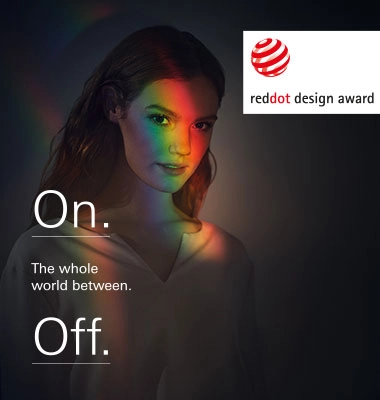
Award for the new brand identity.
Gira is repositioning itself with a revised brand appearance in order to increase awareness, especially among its end customers under the motto "We are the ones with the switches. But also so much more". Gira has been awarded the Red Dot Award 2020 in the category "Best Smart Building Brand".
2023
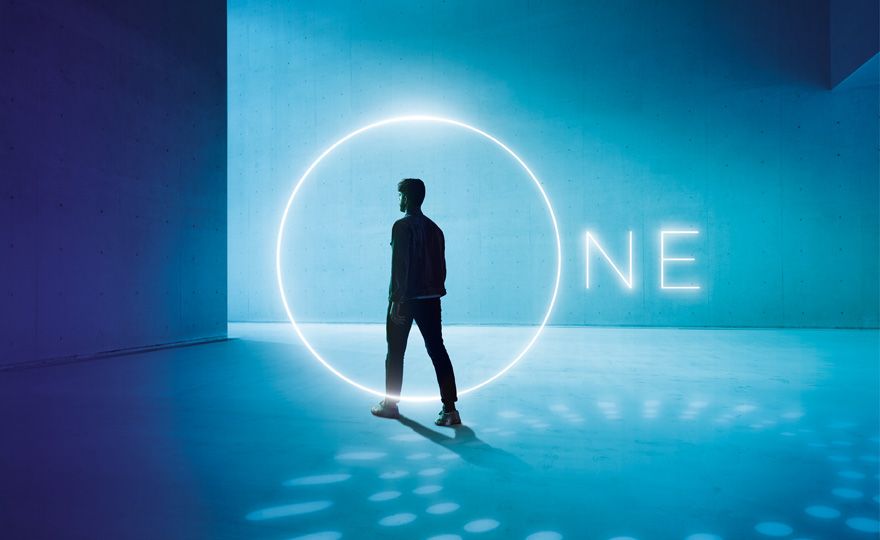
Gira One makes smart living simple
The new Gira One smart home system combines maximum living comfort with safety and energy efficiency. A wide range of automation options makes smart living easier, safer, and more time-saving – both in installation and operation.
2023–2024
Modernising production
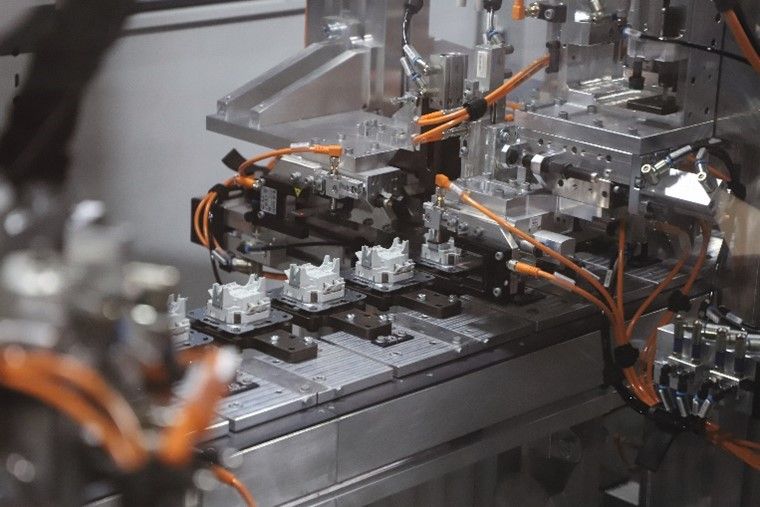
Something that happens only every 20 to 25 years at Gira: within just over a year, the company completely renewed its entire electromechanical range. But it wasn’t just switches and sockets – production itself was modernised from the ground up, with two new lines for fully automated socket production, a new packaging system, and a state-of-the-art switch assembly line that set new standards in efficiency and quality.
2025
Gira solar park opens
On a site that spans 70,000 square metres along Bundesstraße 229 towards Halver, one of the largest photovoltaic plants in North Rhine-Westphalia has been built over the past eight months. The 13,794 photovoltaic modules – each with an output of 650 watts – generate almost ten million kilowatt hours of electricity per year.
